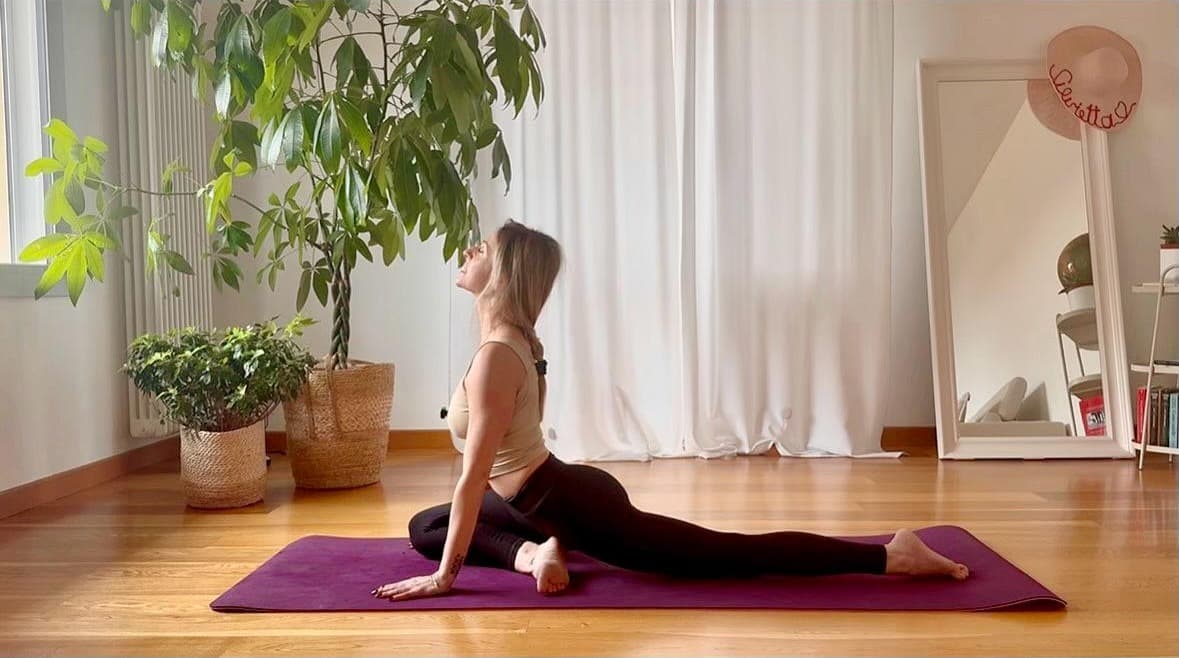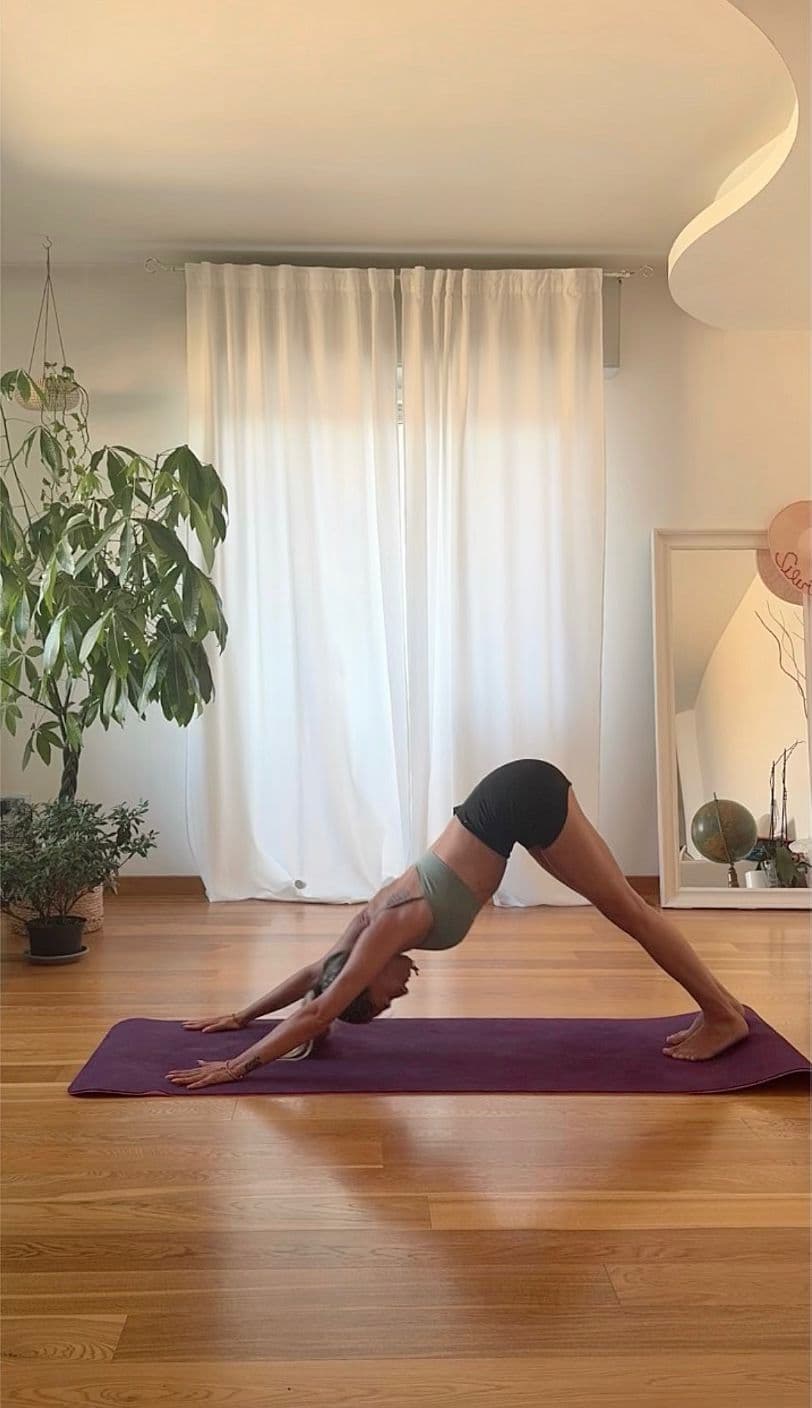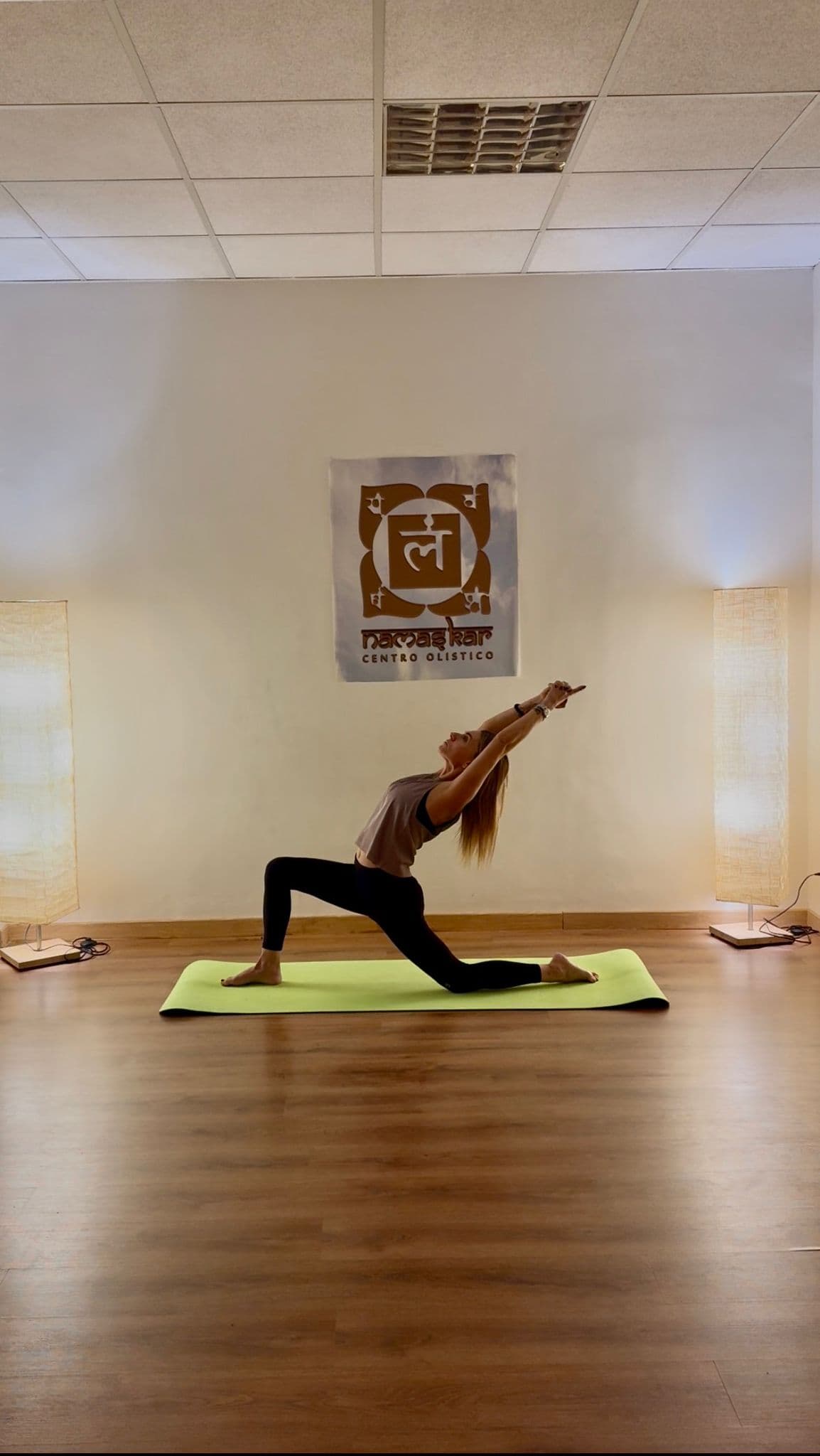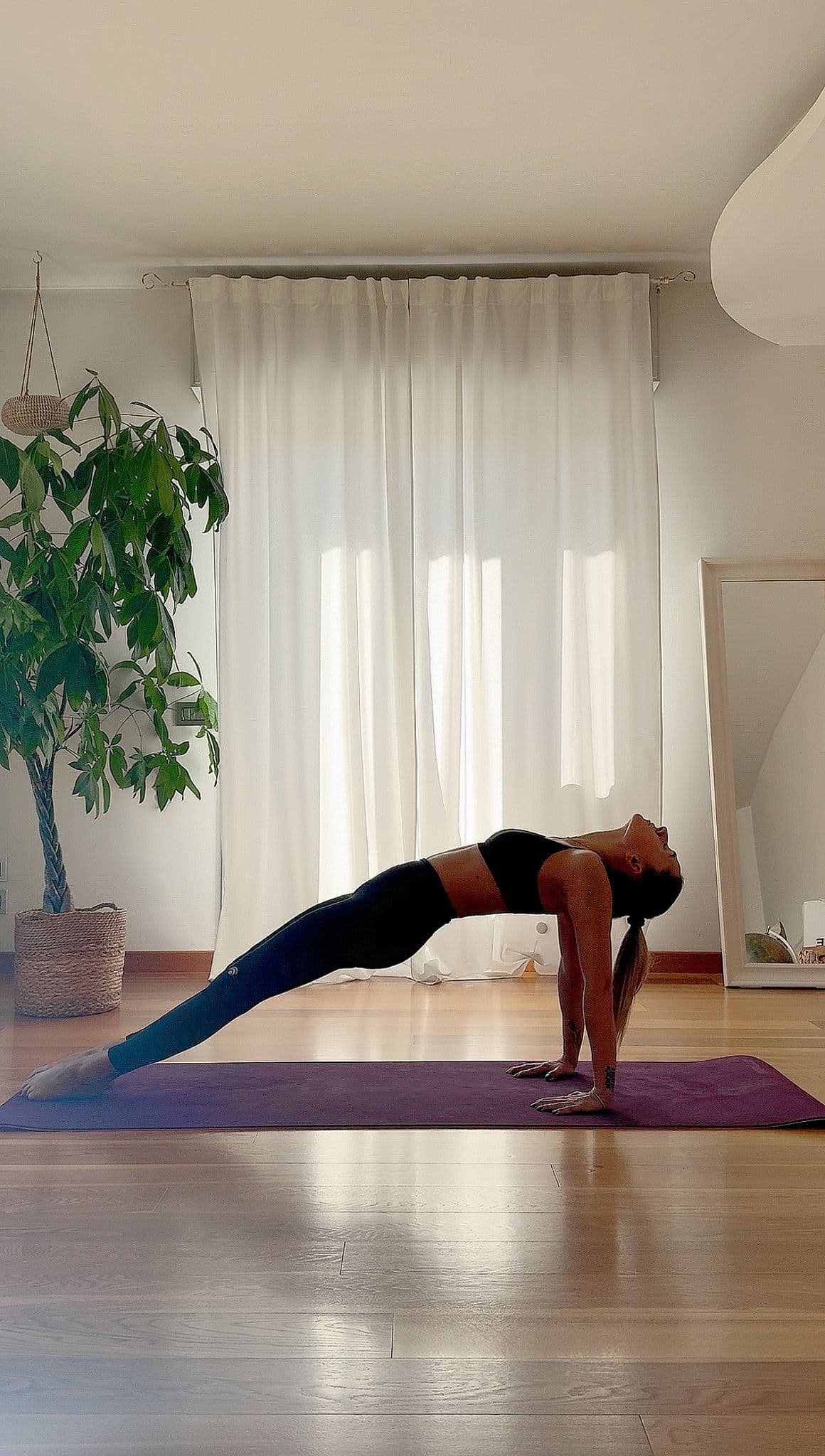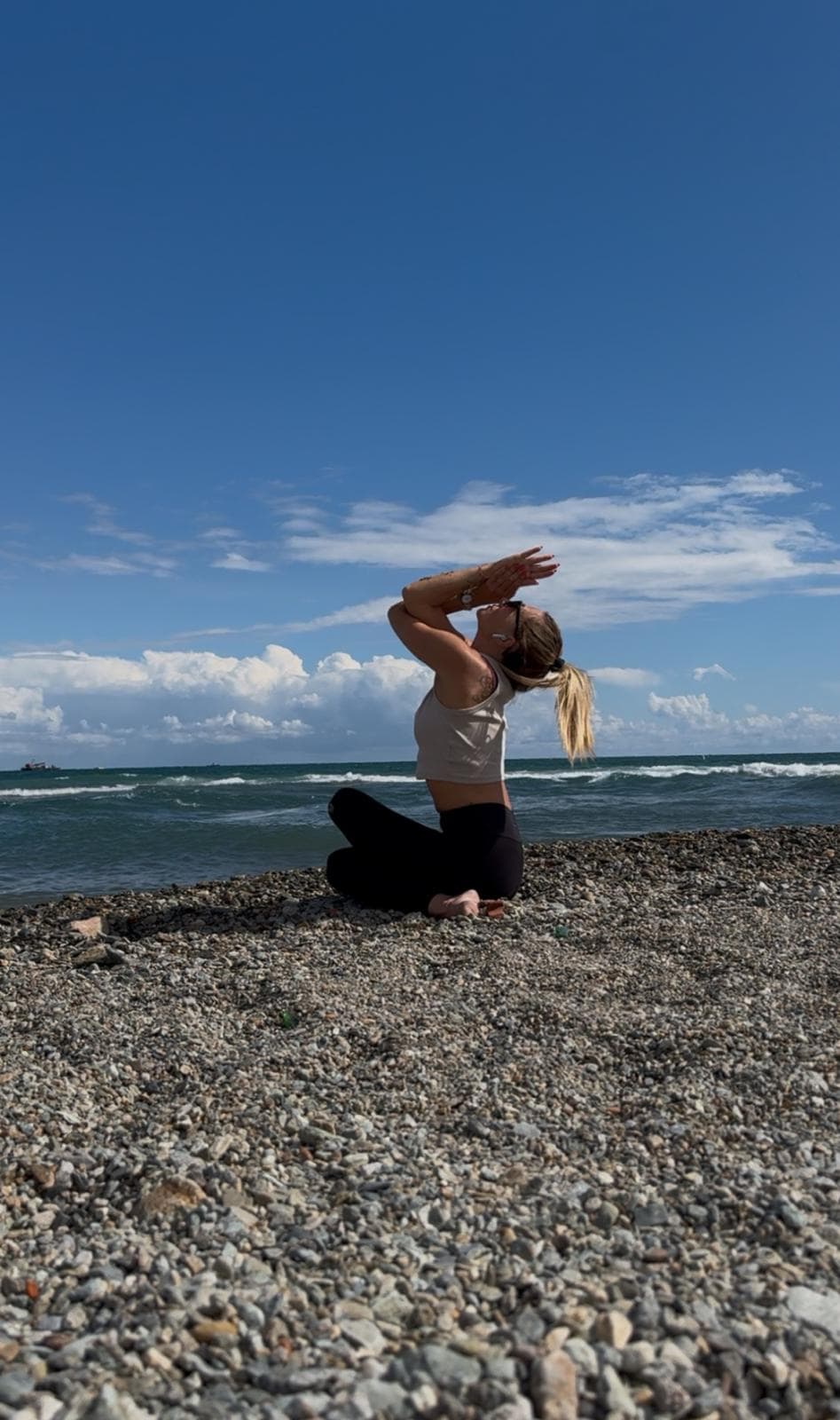
Yoga for beginners: the guide to truly getting started

Silvia Ghigliazza
Insegnante di Yoga
"I'm not flexible enough." "I'm too stiff." "It's not for me." These are the phrases I hear most often from people who would like to start yoga but don't dare. The good news: they're all myths. Yoga is exactly what you need to regain mobility and balance — not a prerequisite.
You don't need flexibility to start
Thinking you have to be flexible to do yoga is like thinking you have to be clean before taking a shower. Flexibility is a consequence of practice, not an entry condition. You start from where you are, and the body responds in time.
What you really need
- ●A mat (at first a rug or a thick towel will do).
- ●Comfortable clothing that lets you move.
- ●A quiet space, even a small one.
- ●15–20 minutes, a few times a week.
- ●A little patience and curiosity.
How much time to dedicate at the start
Better little and often than a lot and rarely. Three 15–20 minute sessions a week are more effective than a single long Sunday practice. Consistency, even minimal, is what produces results — on body and mind.
How to get over the initial awkwardness
No one is watching you, no one is judging. Yoga isn't a performance: it's a dialogue with yourself. In a good class the teacher always offers variations, so you can adapt each posture to your body without forcing.
↗Try the method with 3 free videos
Discover the adaptive method, designed also for those starting from scratch, with free videos to follow at home at your own pace.
At any age. Yoga adapts to the body of those who practise, from the youngest to the most mature. What matters is starting gradually.
Both options work. Initial guidance with a teacher (even online) helps you learn the basics safely; then you can integrate it with home practice.
With consistency, the first feelings of wellbeing and greater mobility arrive within the first 2–3 weeks.
The best time to start was yesterday. The second best time is now. — Silvia