Summer solstice and yoga: meaning, 108 Sun Salutations and the International Day of Yoga

Silvia Ghigliazza
Yoga Teacher
There's one day each year when the sun seems to pause and watch us a moment longer: it's the summer solstice, the longest day of the year. Light reaches its peak, summer officially begins, and humans have always sensed it's a special moment. Yoga, which has an ancient bond with the sun, celebrates it in a way all its own.
What the summer solstice is
The summer solstice falls around 21 June in the northern hemisphere (between the 20th and 21st, depending on the year). It's the moment when the sun reaches its highest point in the sky and gives us the day with the most hours of light. The word itself tells the story: 'solstice' comes from the Latin sol (sun) and sistere (to stand still) — the sun that, for an instant, seems to pause. Symbolically it's a moment of fullness: everything that is growing reaches its peak.
The meaning of the solstice in yoga
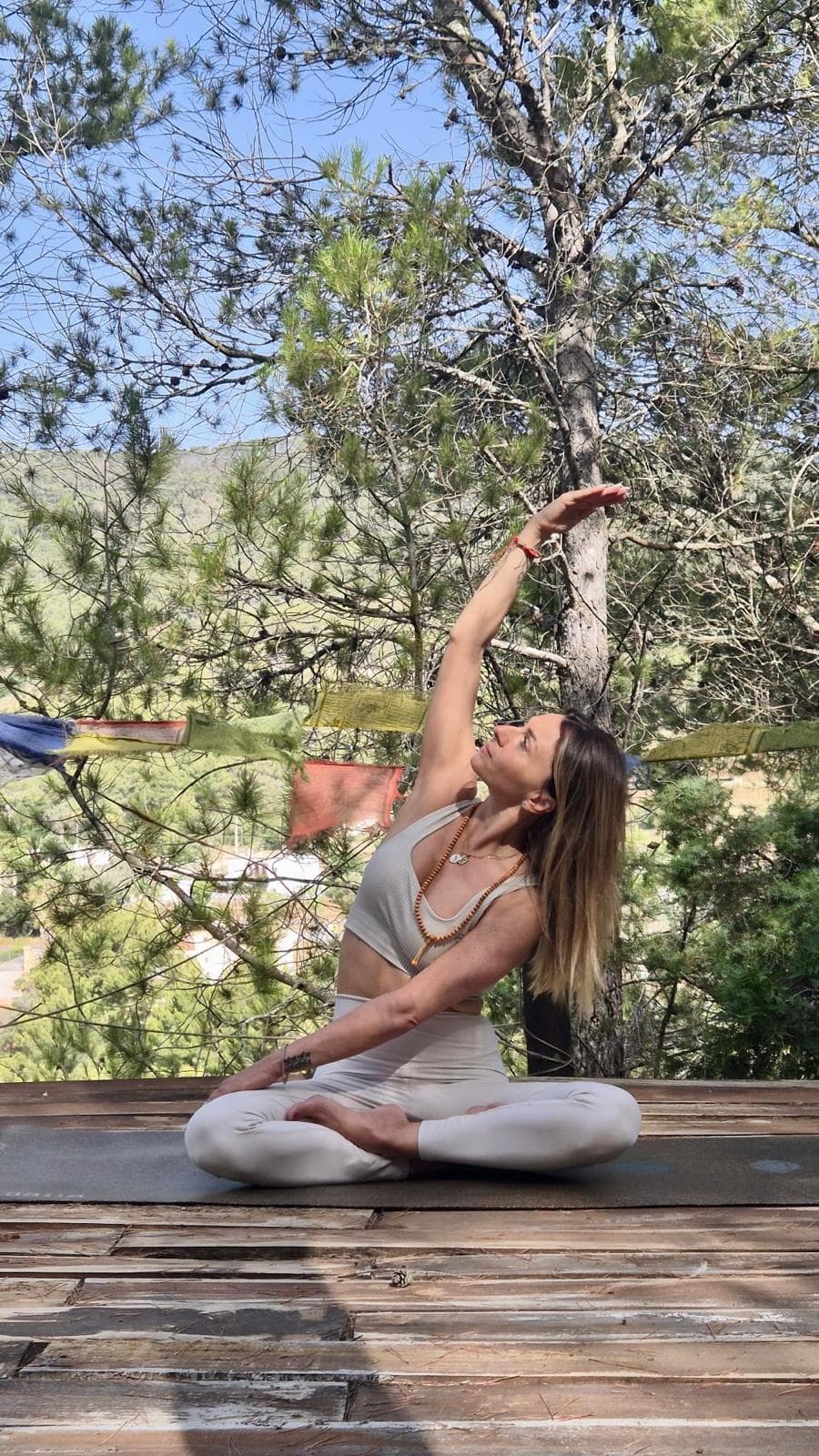
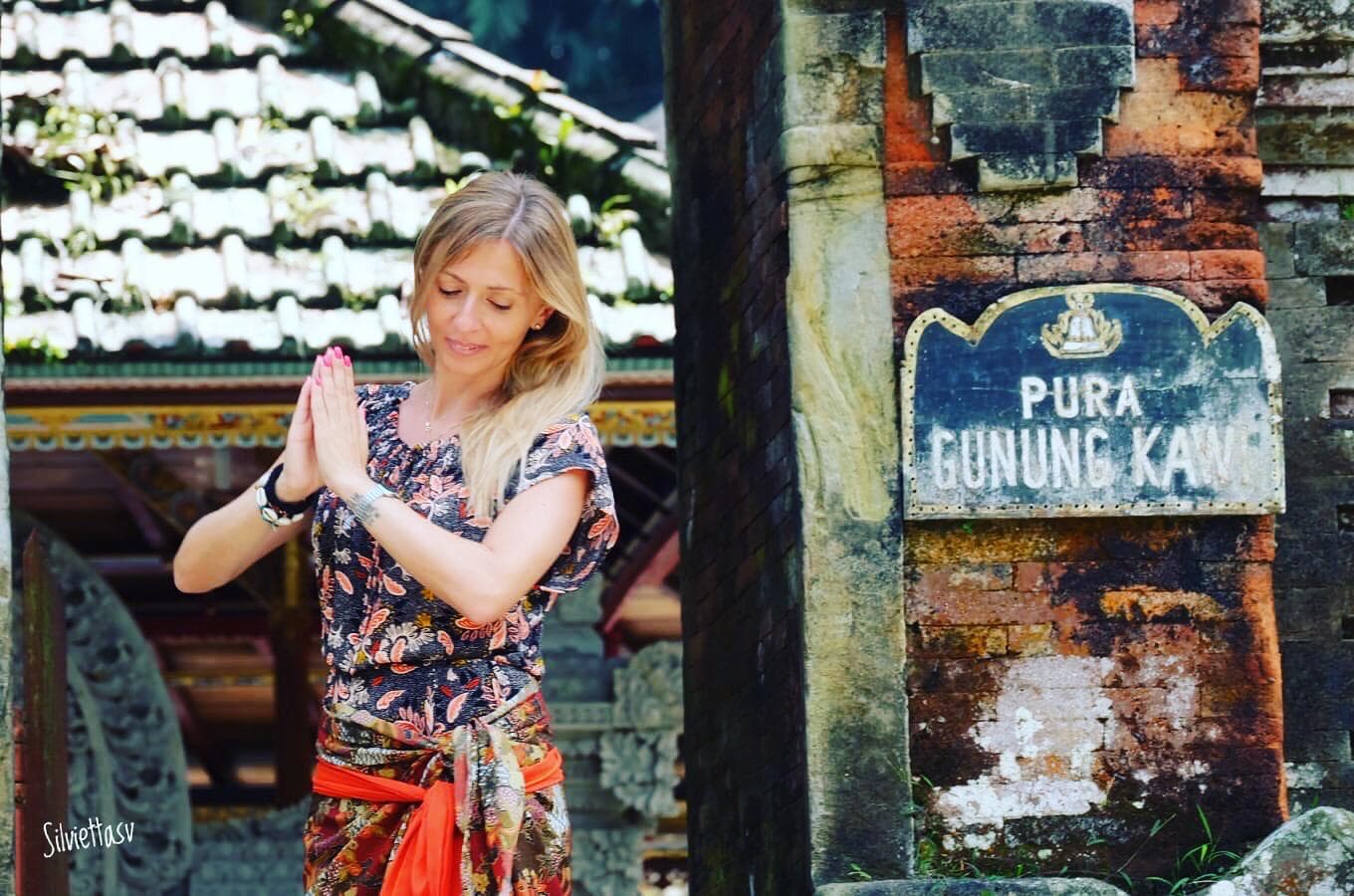
In yoga the sun is not just a star: it's a symbol of life, energy and awareness. It is Surya, the luminous principle that nourishes everything. Practising on the day of the solstice means aligning with this peak of light: giving thanks for the energy received, renewing your intention and letting go of what no longer serves you, right when nature is at the height of its splendour.
It's no coincidence that many traditions mark the solstices and equinoxes with rites of gratitude and renewal. Yoga does it with the body and the breath: turning movement into an offering to the light.
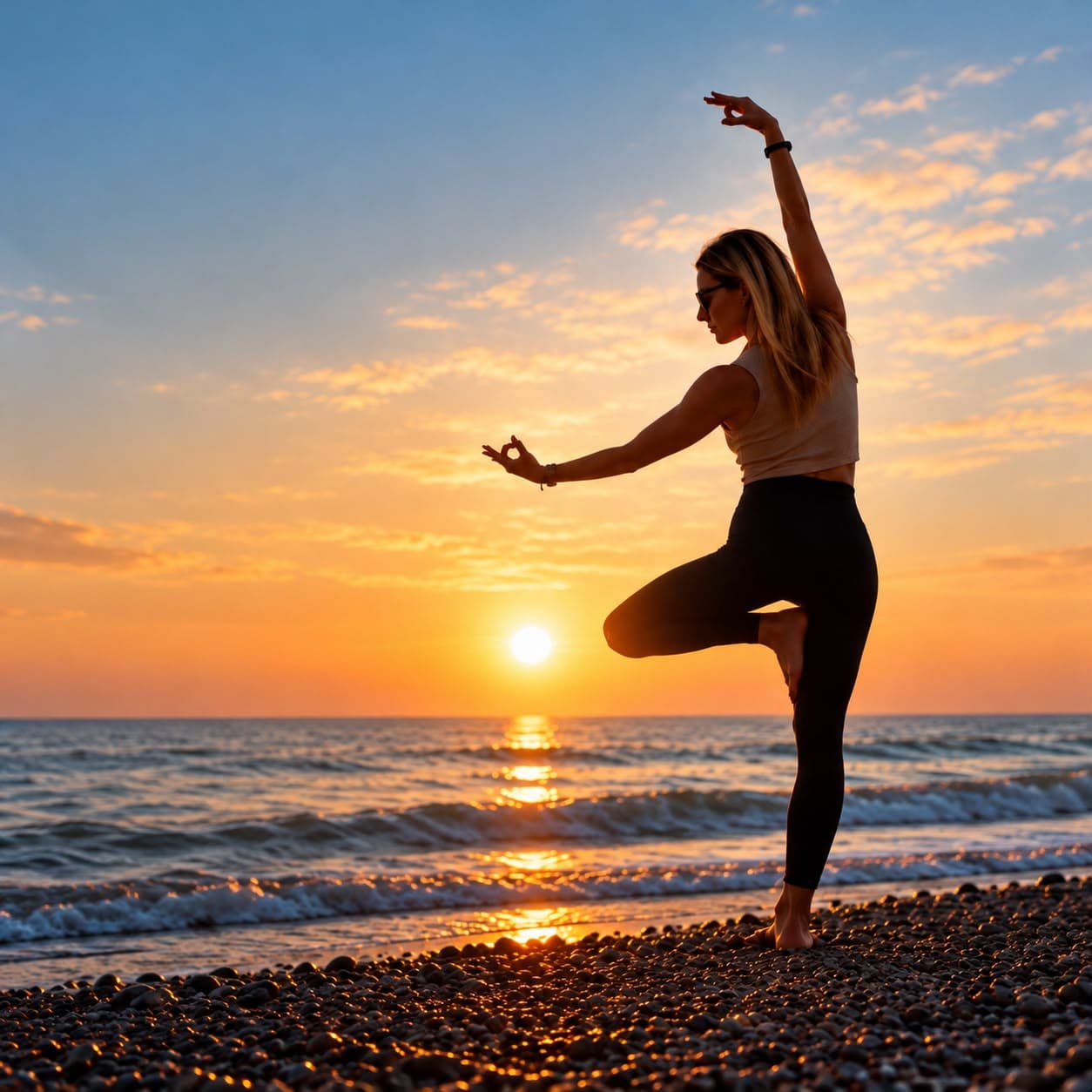
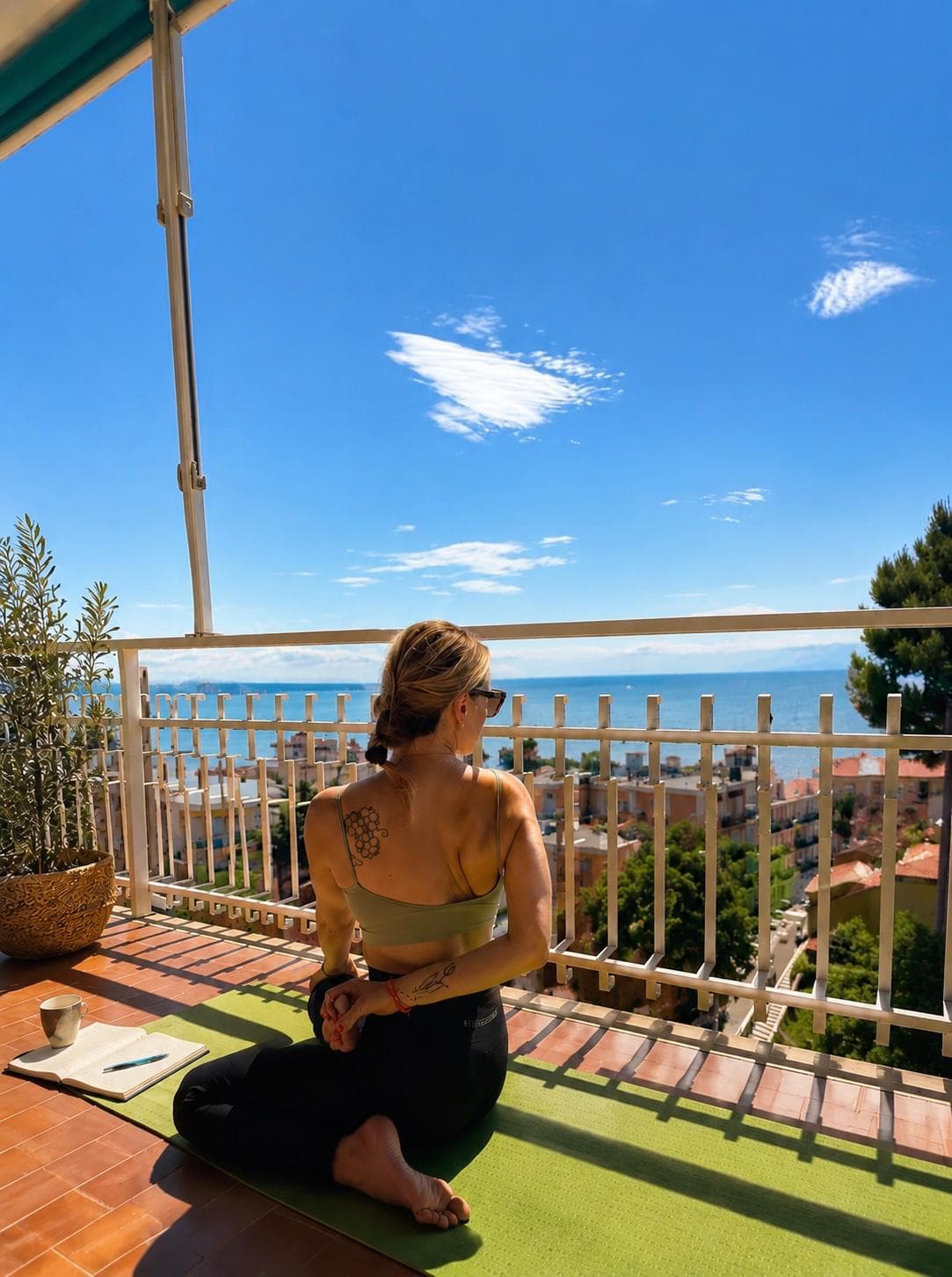
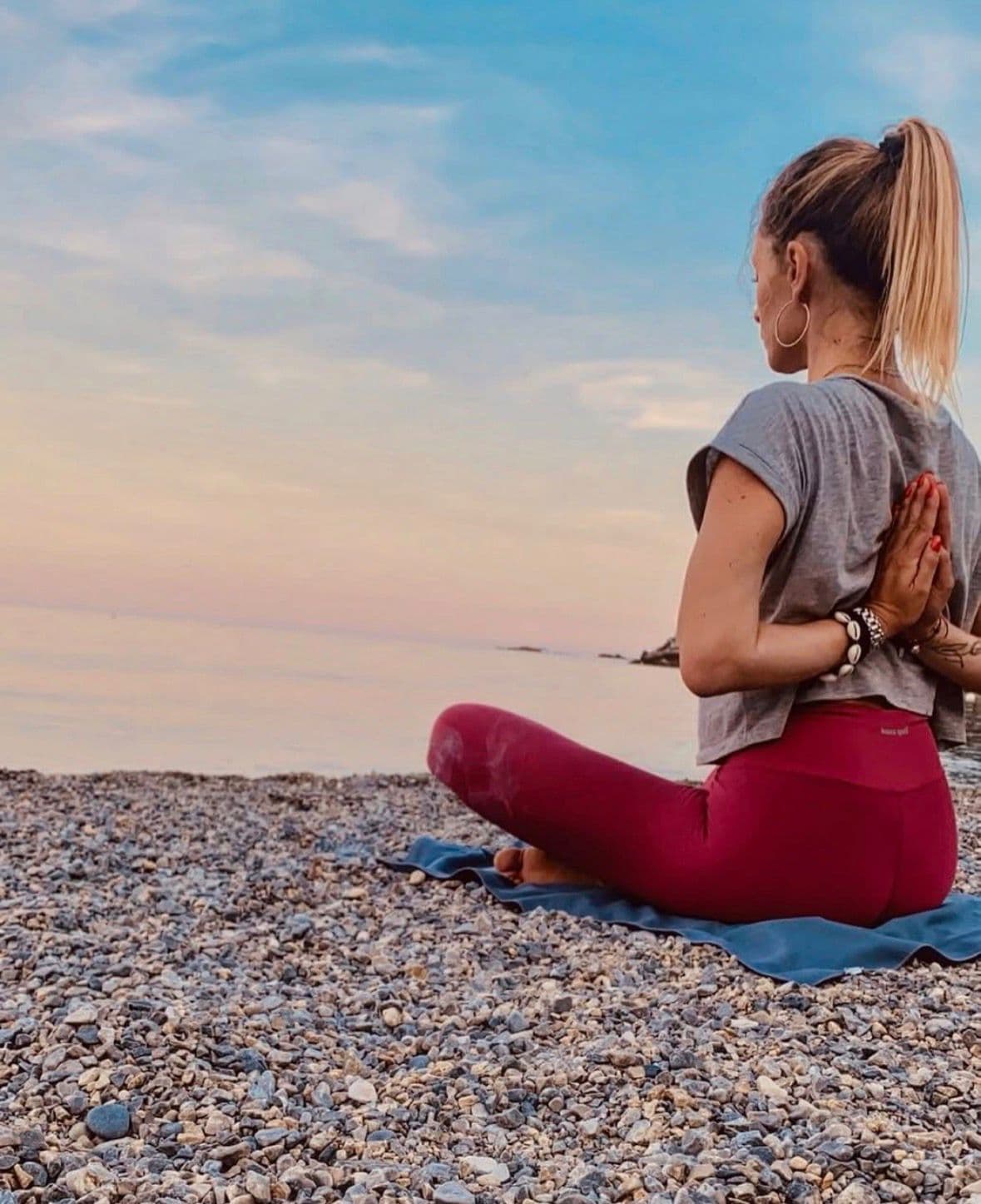
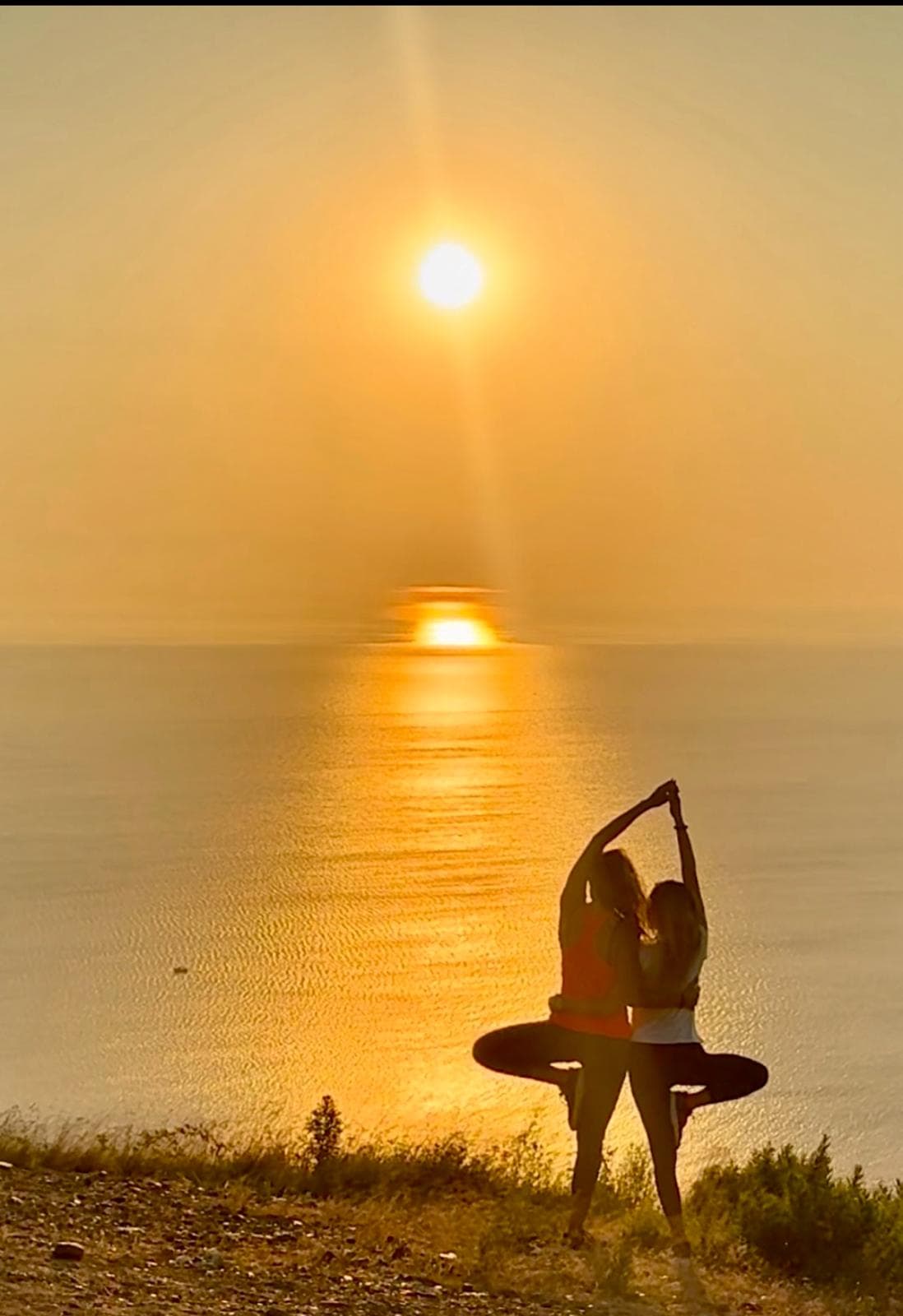
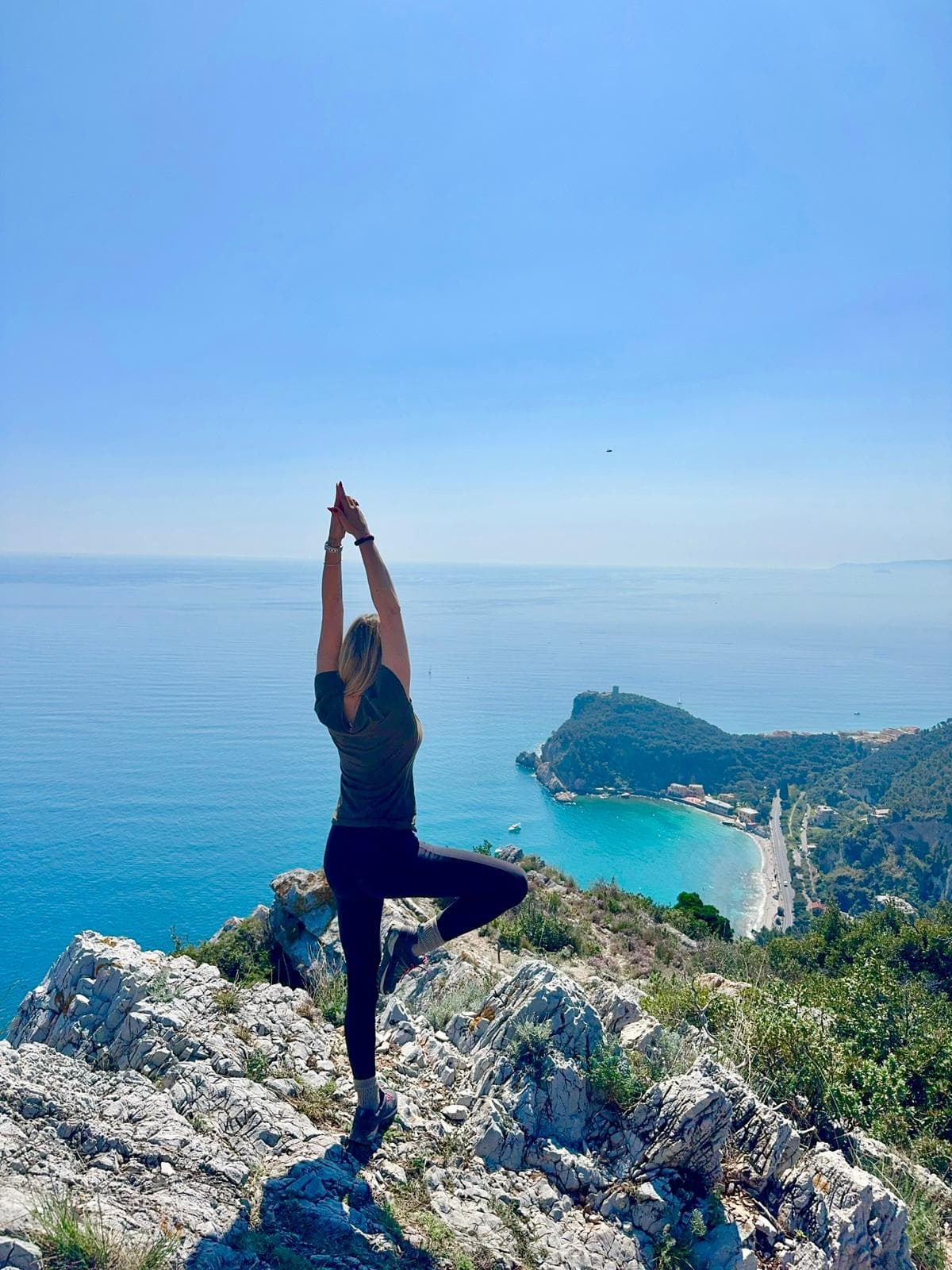
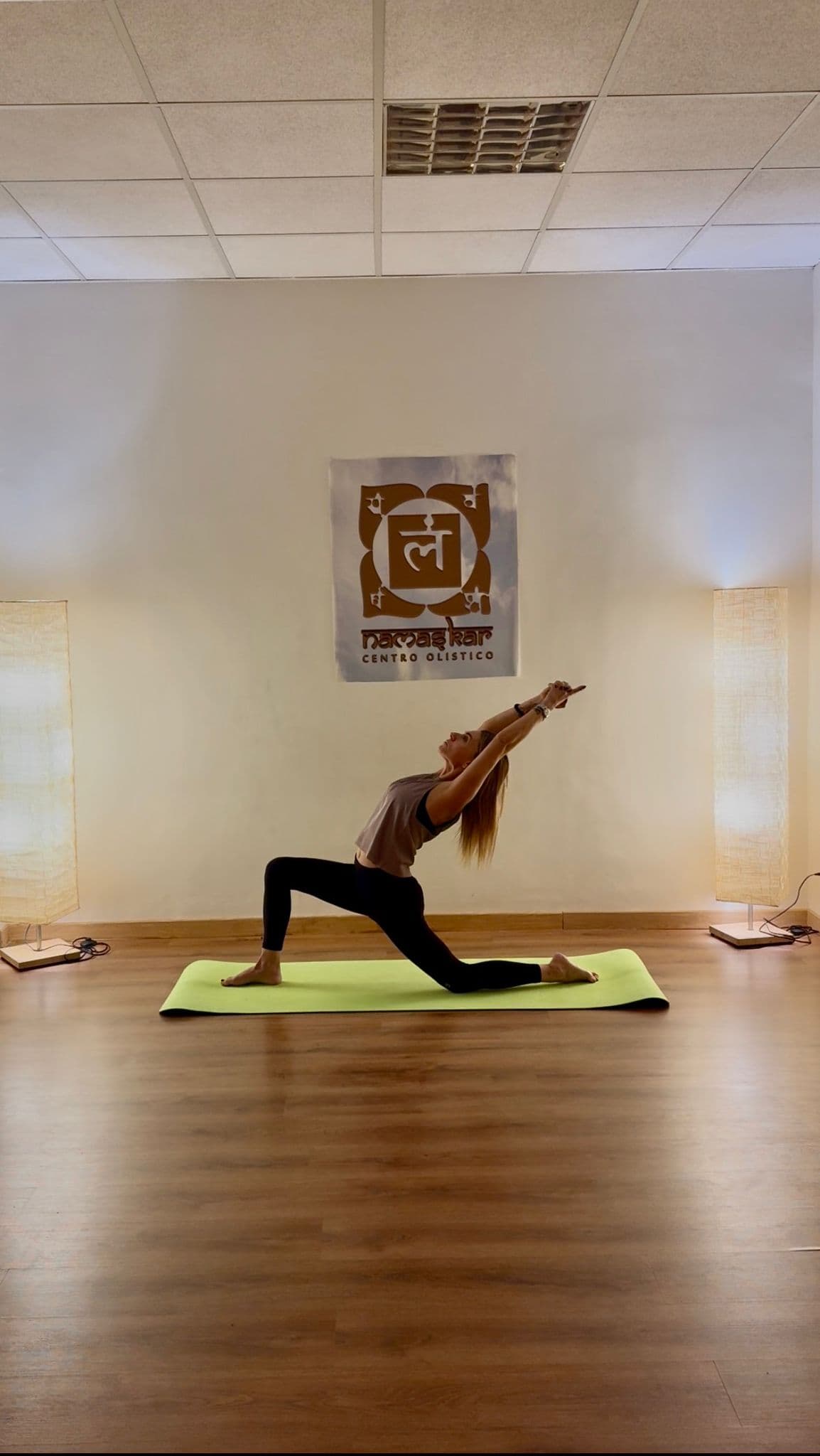
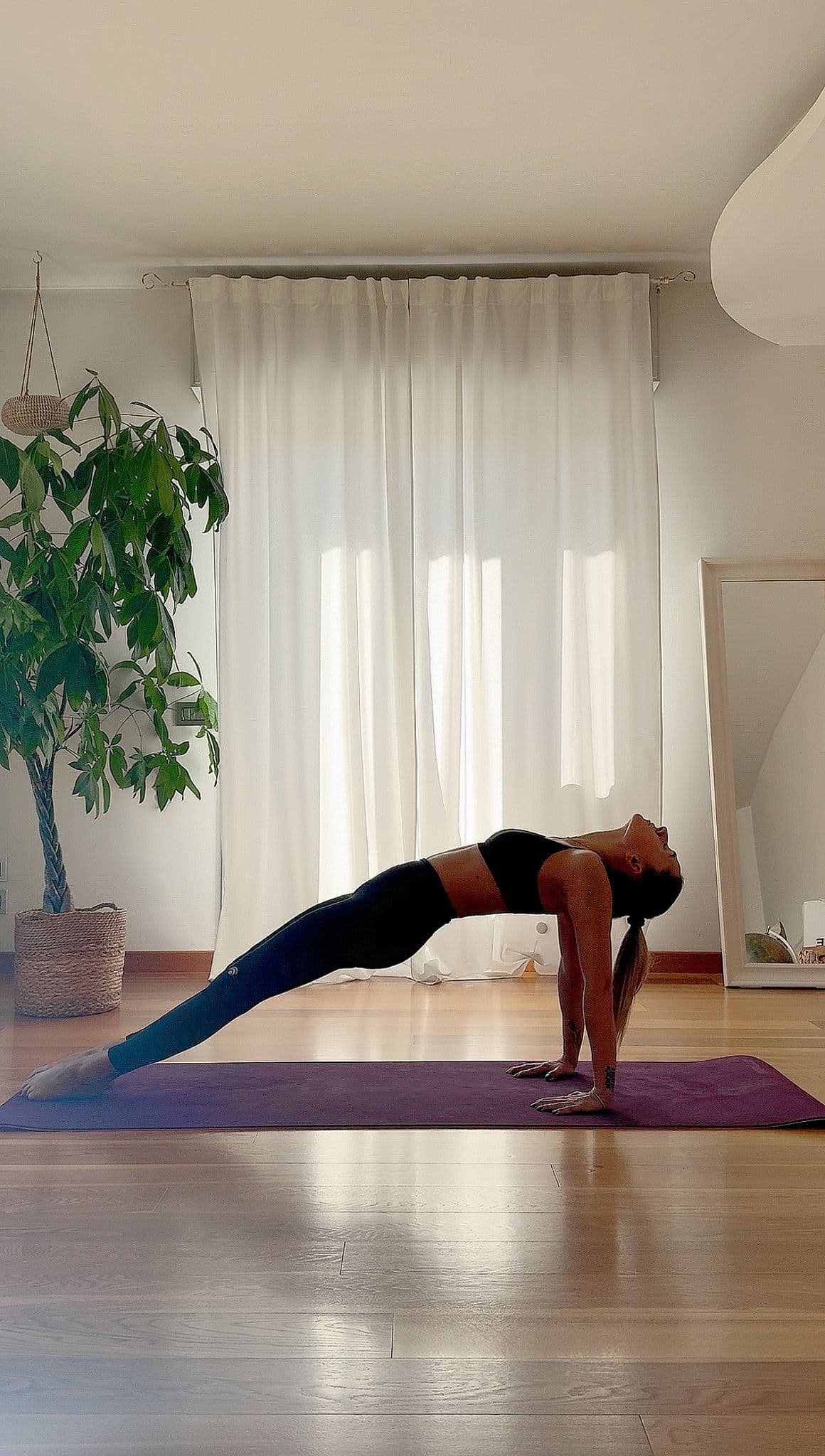
Personally, it's one of my favourite moments of the year. Practising as the sun rises, feeling my skin warm with each salutation, reminding myself that after every night — even the longest — the light always returns: the solstice, for me, is a promise kept. And celebrating it on the mat is my way of saying thank you.
The 108 Sun Salutations: the tradition
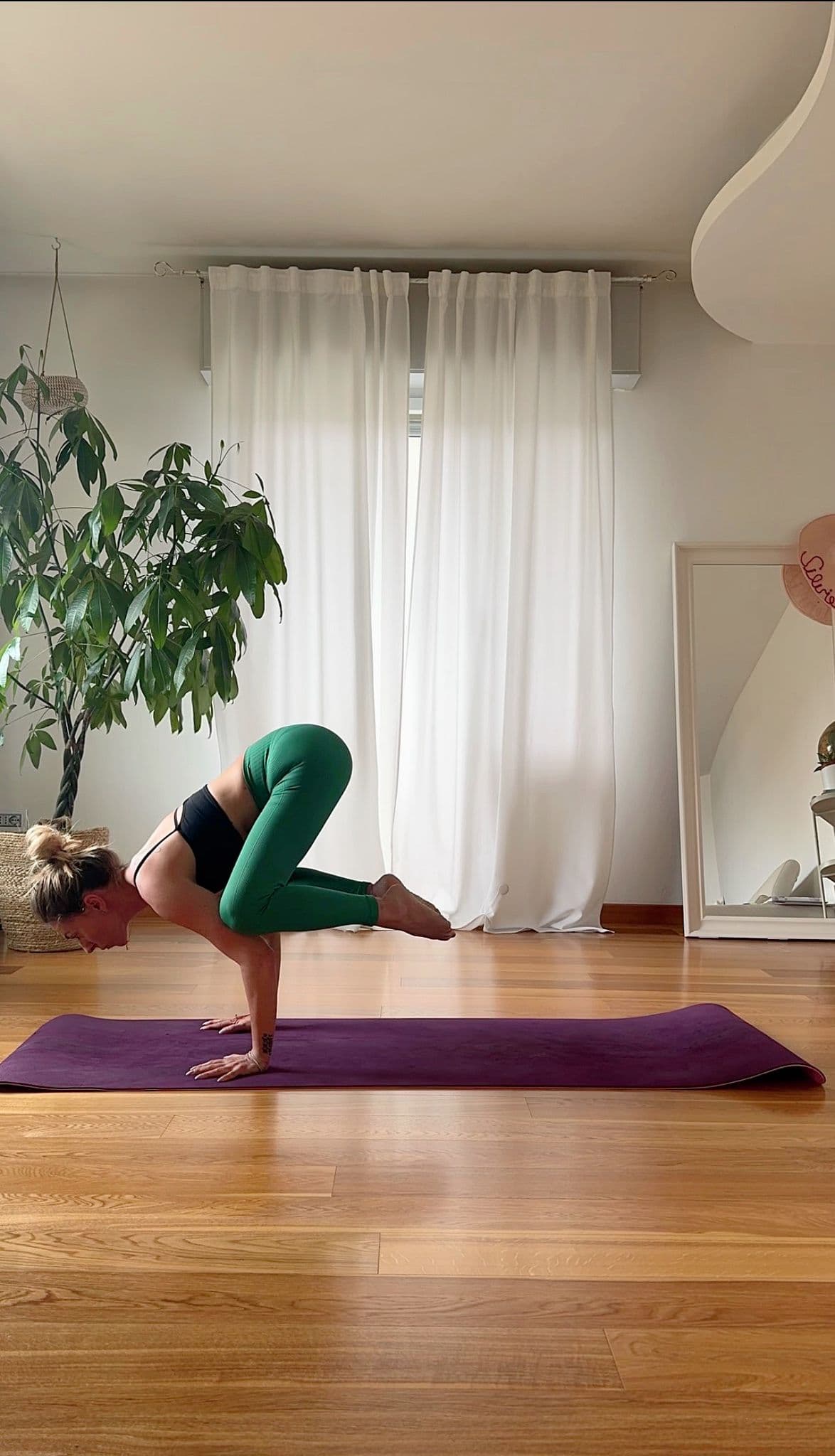
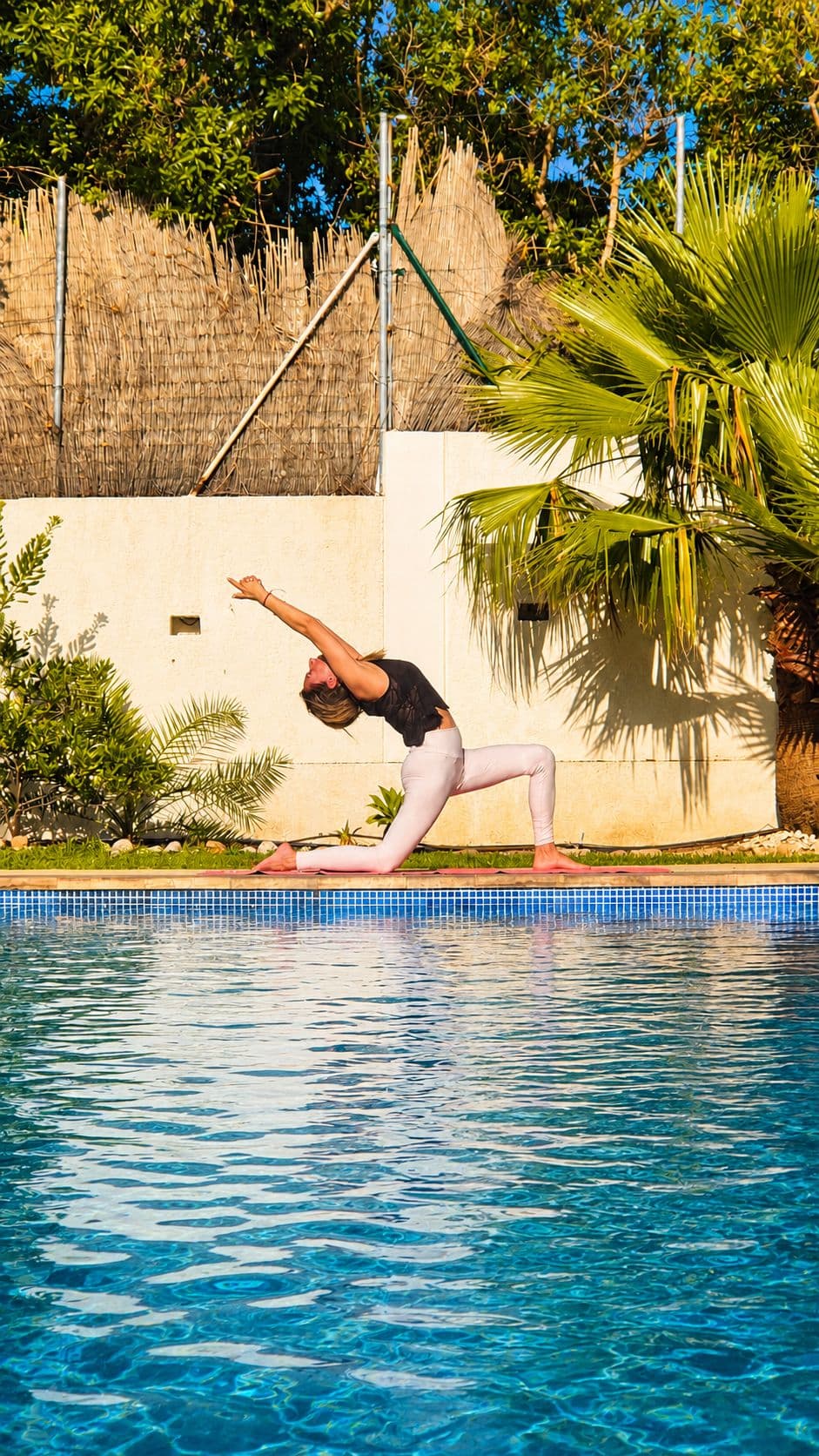
The most beloved way to celebrate the solstice is a mala of Sun Salutations: 108 Surya Namaskar performed one after another, like a long moving meditation. The Sun Salutation is a flowing sequence that weaves breath and movement together, warming and awakening the whole body — a true homage to the sun.
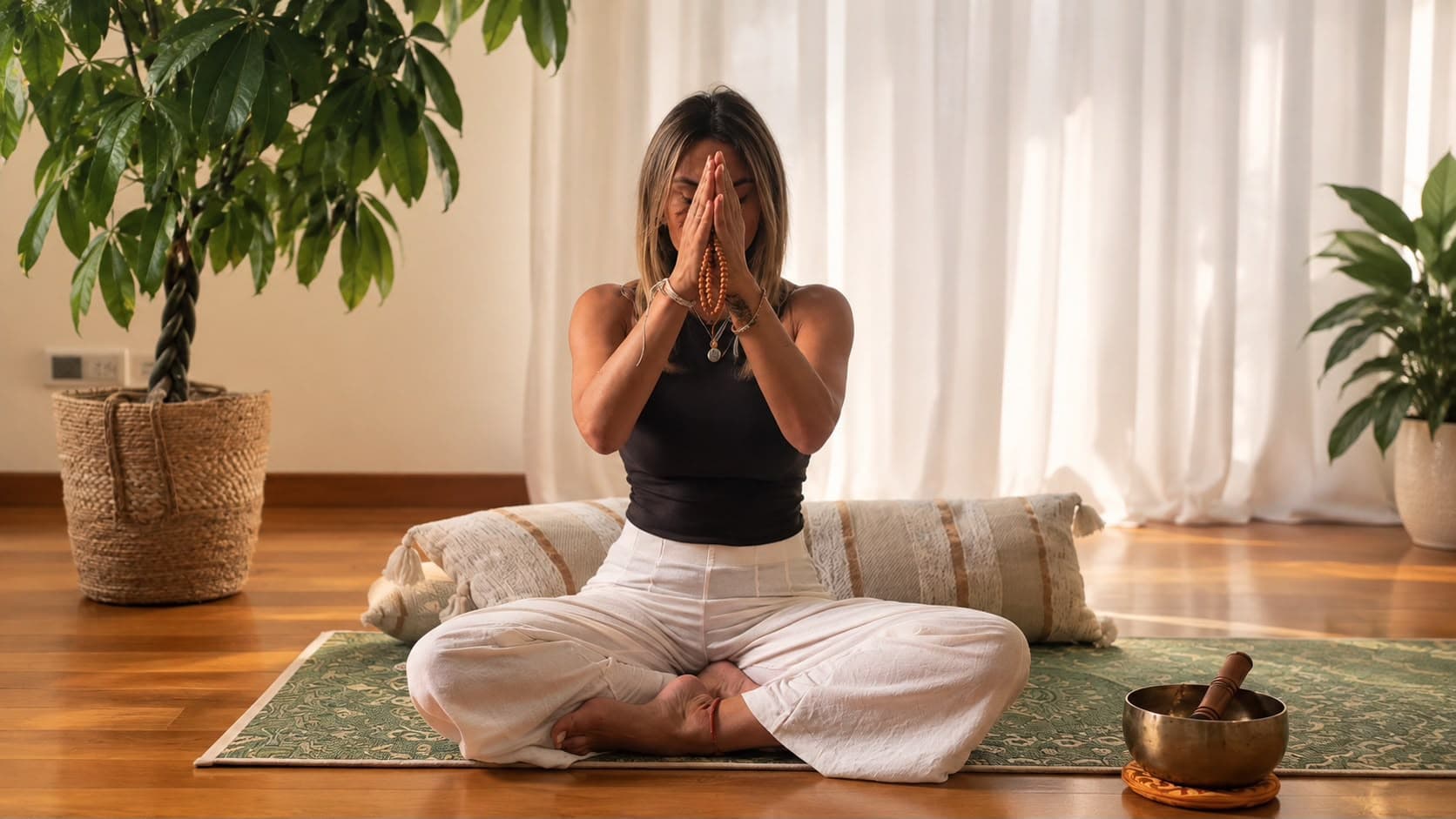
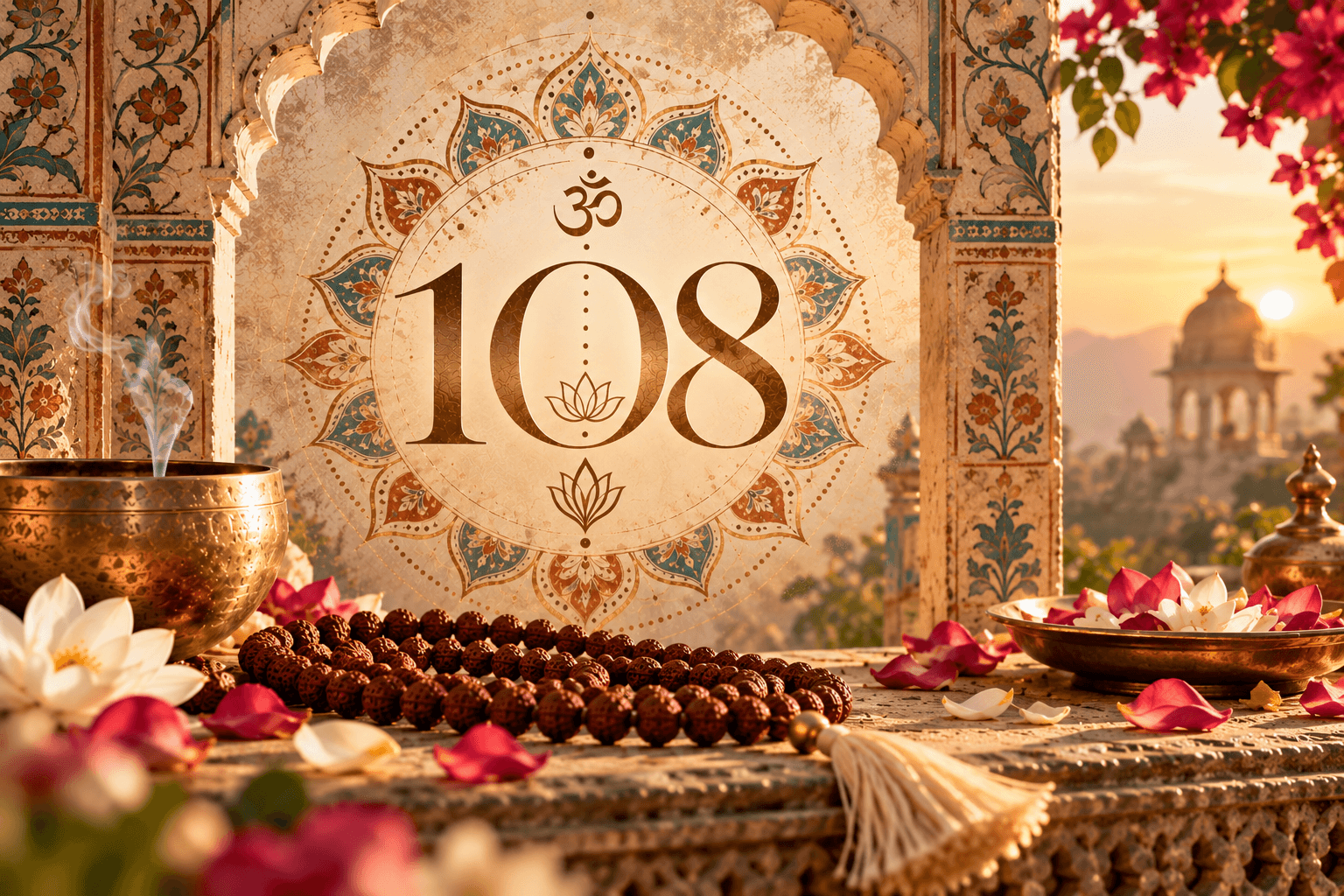
But why 108? It's one of the most sacred numbers in the yogic and Indian tradition. You find it in malas, the meditation necklaces made of 108 beads; it's said there are 108 nadis (energy channels) converging in the heart, and 108 names of the divine. A number that represents wholeness, the cosmos, the journey from the individual to the absolute. Completing 108 Sun Salutations is a small physical and spiritual feat: intense, meditative, able to leave you both emptied and full.
And if 108 sounds like a lot — it is! — remember the tradition is honoured with a smaller number too: 12, 27 or 54 Sun Salutations are just as meaningful. What counts is the intention, not the count.
21 June: the International Day of Yoga
It's no coincidence that 21 June has been, since 2015, the International Day of Yoga. The idea was proposed by India and embraced by the United Nations, which in December 2014 officially proclaimed the occasion. The chosen date is no accident: the summer solstice, the longest day of the year, holds special meaning in many cultures and is a symbol of light and renewal.
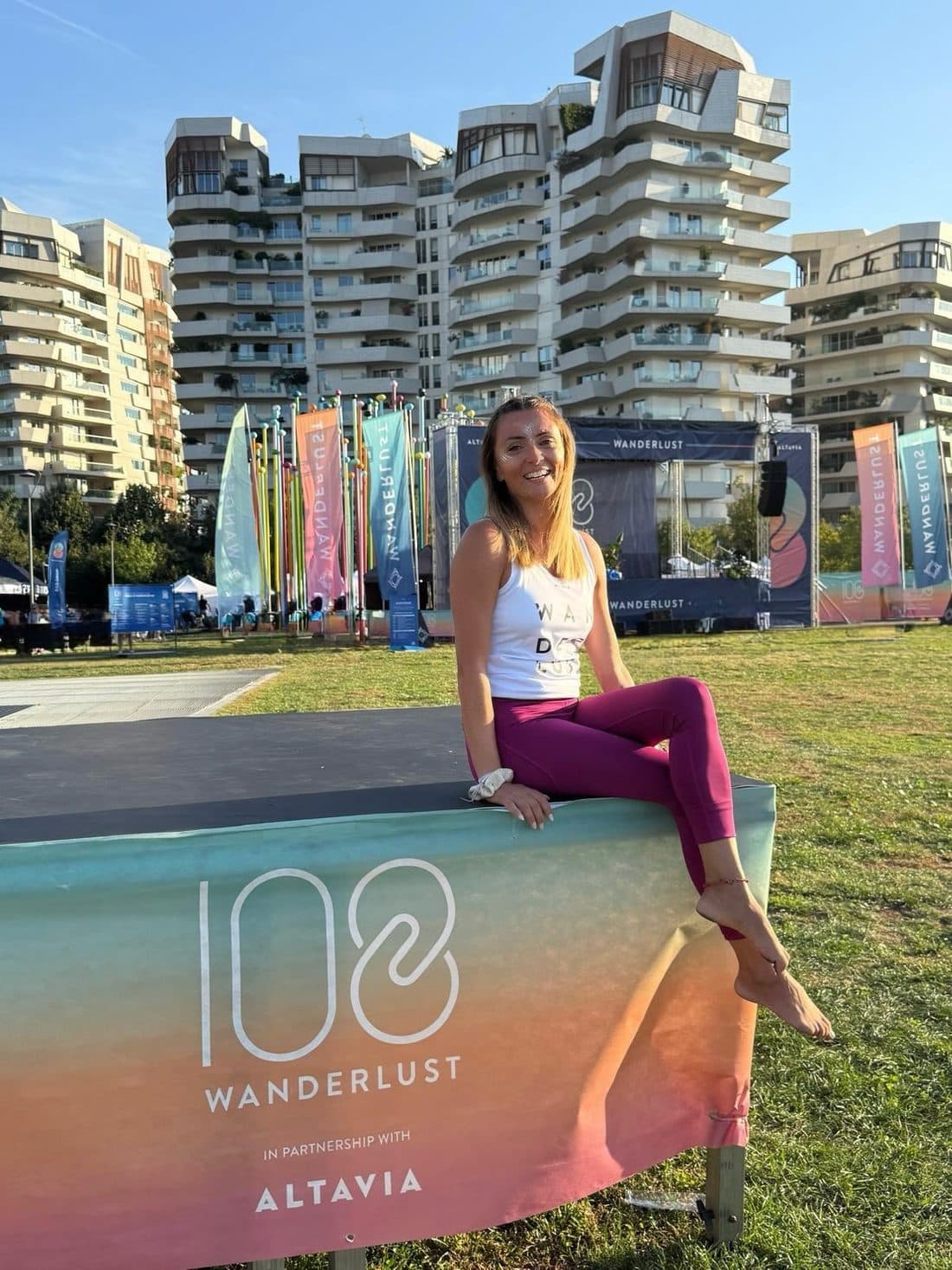
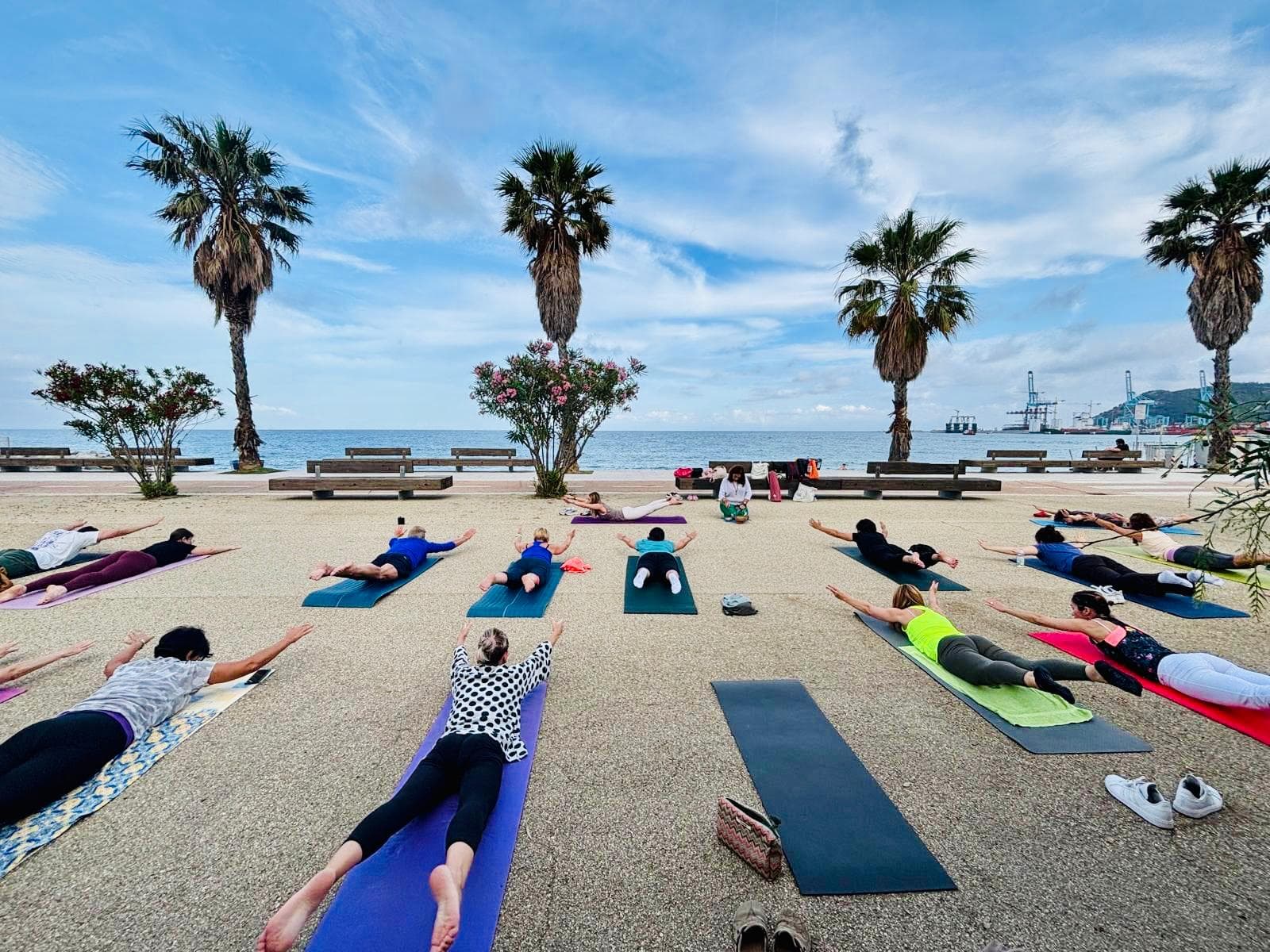
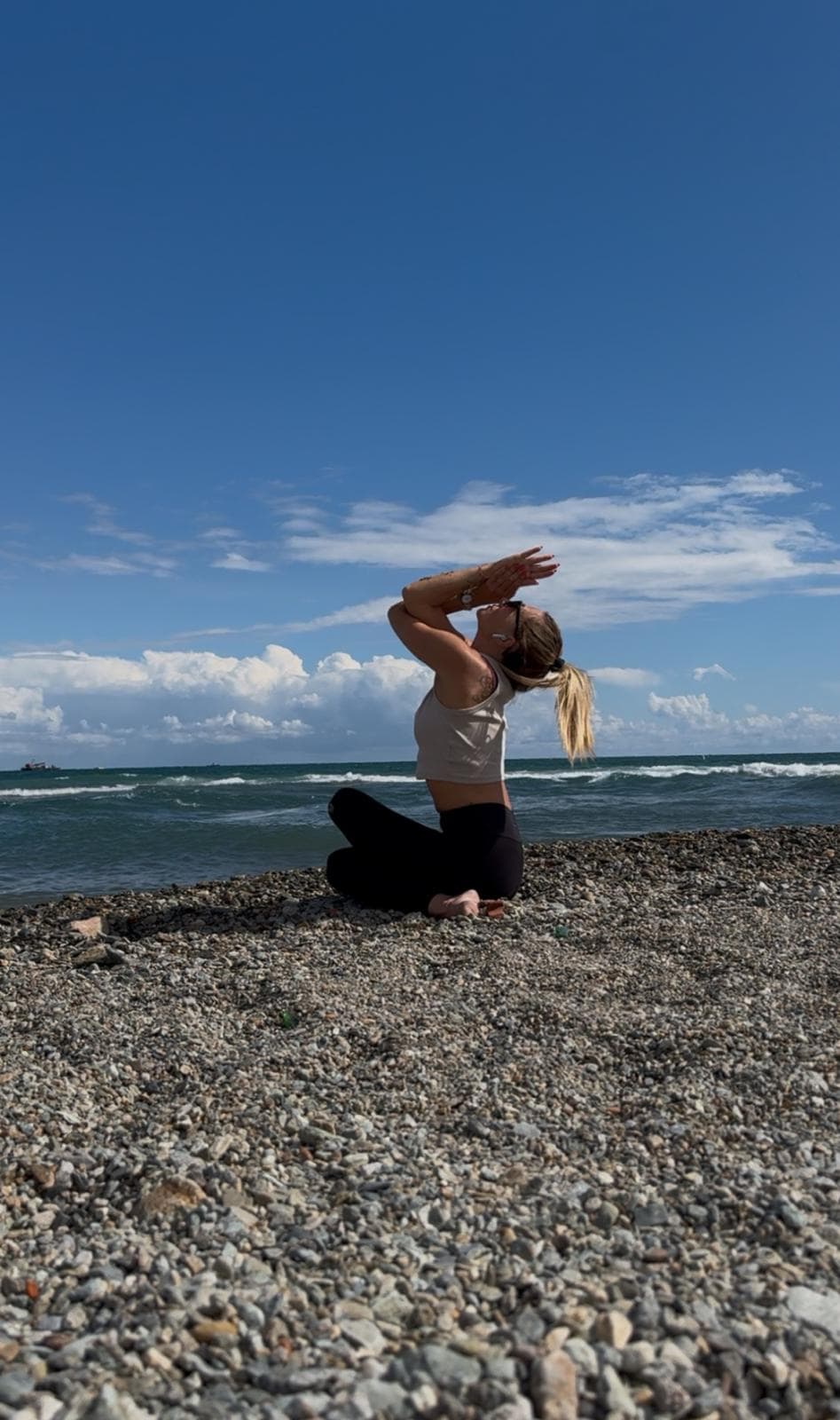
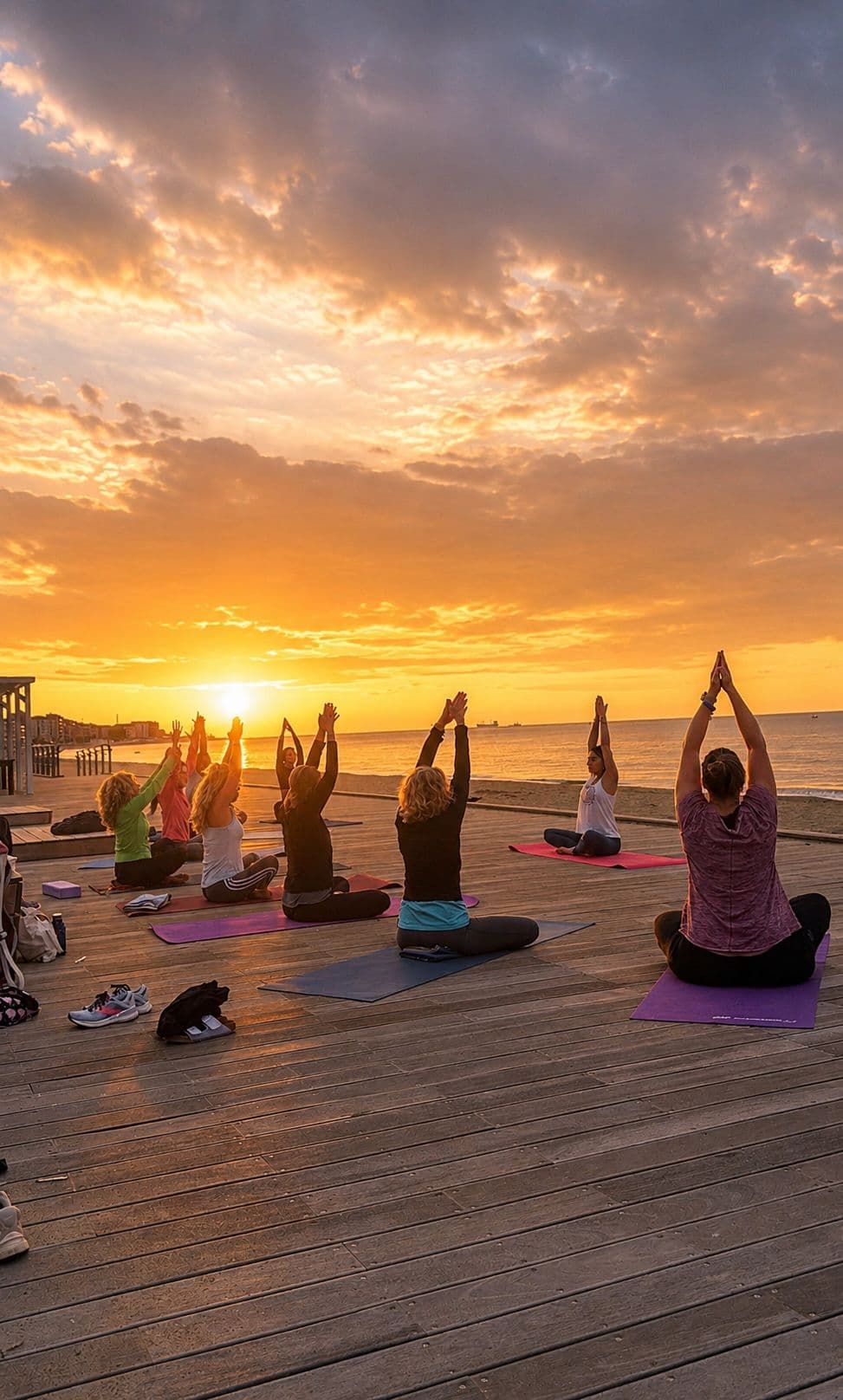
Since then, every 21 June, millions of people all over the world unroll their mats together — in squares, parks, beaches — to celebrate yoga as a tool for wellbeing, balance and peace. It's, in a sense, the day the yoga 'room' truly becomes the whole world.
How to celebrate the solstice (even at home)
You don't need special events to honour the solstice: your mat and a little presence are enough.
- ●Practise at dawn or in the morning, when the light is new: even a few Sun Salutations are enough.
- ●Open with an intention: what do you want to cultivate in this season of light?
- ●Treat yourself to a mala of Sun Salutations — 12, 27, 54 or 108 — as a moving meditation.
- ●Close with a few minutes of gratitude and silence, letting go of what no longer serves you.
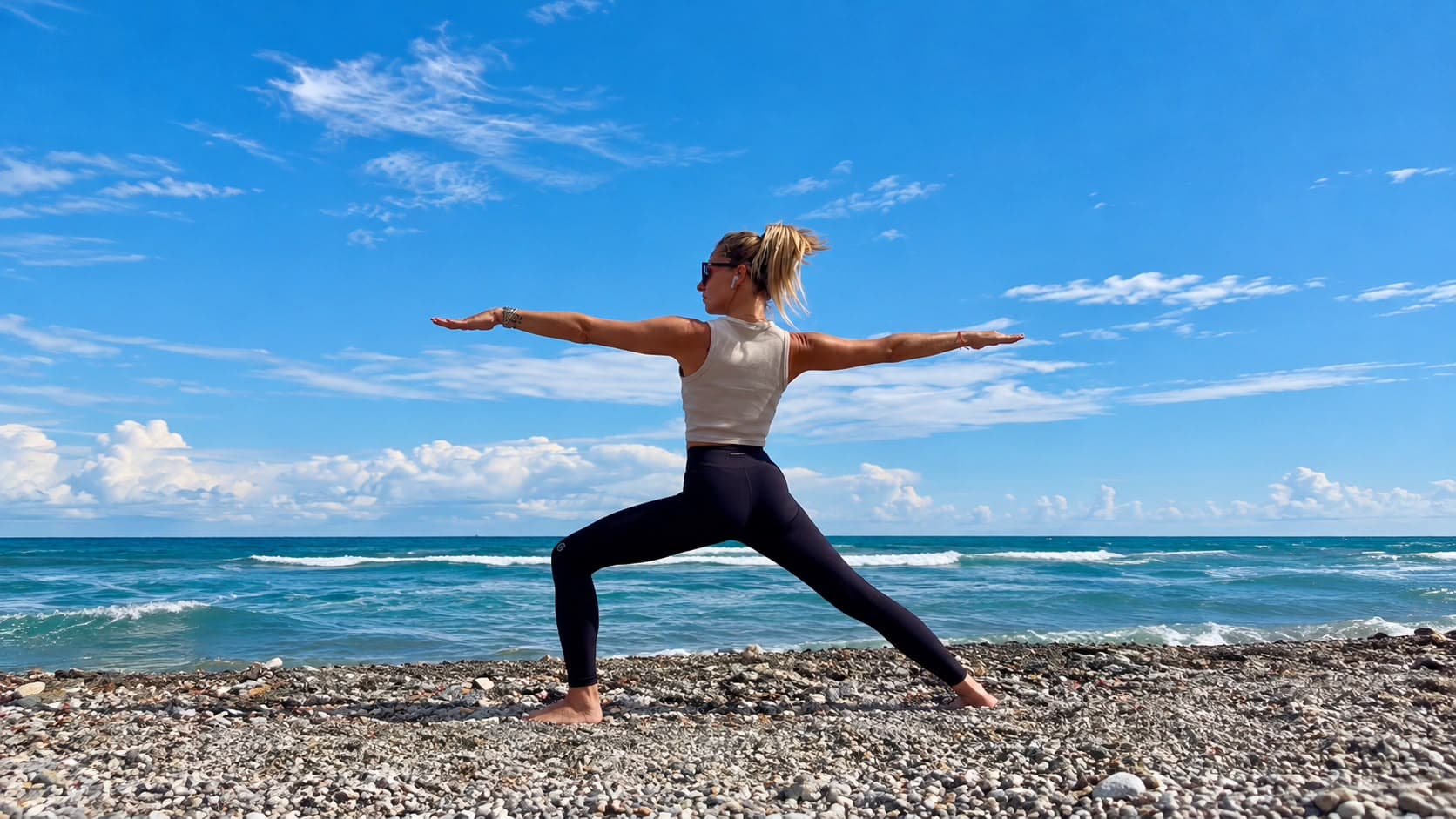
- ●If you can, practise outdoors: feel the sun on your skin and your breath lengthen.
Yoga in Ibiza for the solstice: my diary
I tell you how I prepare to guide two solstice practices in Ibiza, between the Sant Josep woods and the Yoga punto can-pal studio.
Want a sequence for your solstice?
Write 'SUN' to me by email and I'll send you a short guide to the Sun Salutations to practise at dawn, with an intention to welcome the summer. On your own or in a group, wherever you are.
Request the protocol →Frequently asked questions
In the northern hemisphere it falls around 21 June (between the 20th and 21st, depending on the year): it's the longest day of the year and marks the astronomical start of summer.
108 is a sacred number in the yogic tradition: it's the number of beads in a meditation mala and, it's said, the nadis that converge in the heart. Completing 108 Surya Namaskar is a moving meditation that celebrates the light.
21 June. It was proclaimed by the United Nations in 2014 and celebrated for the first time in 2015, choosing the day of the summer solstice.
No. You can honour the solstice with 12, 27 or 54 Sun Salutations, or simply with a mindful practice at dawn. What counts is the intention, not the number.
The solstice reminds us of something simple: like the sun, we too can shine without asking for anything in return. — Silvia