Sanskrit, the universal language of yoga

Silvia Ghigliazza
Yoga Teacher
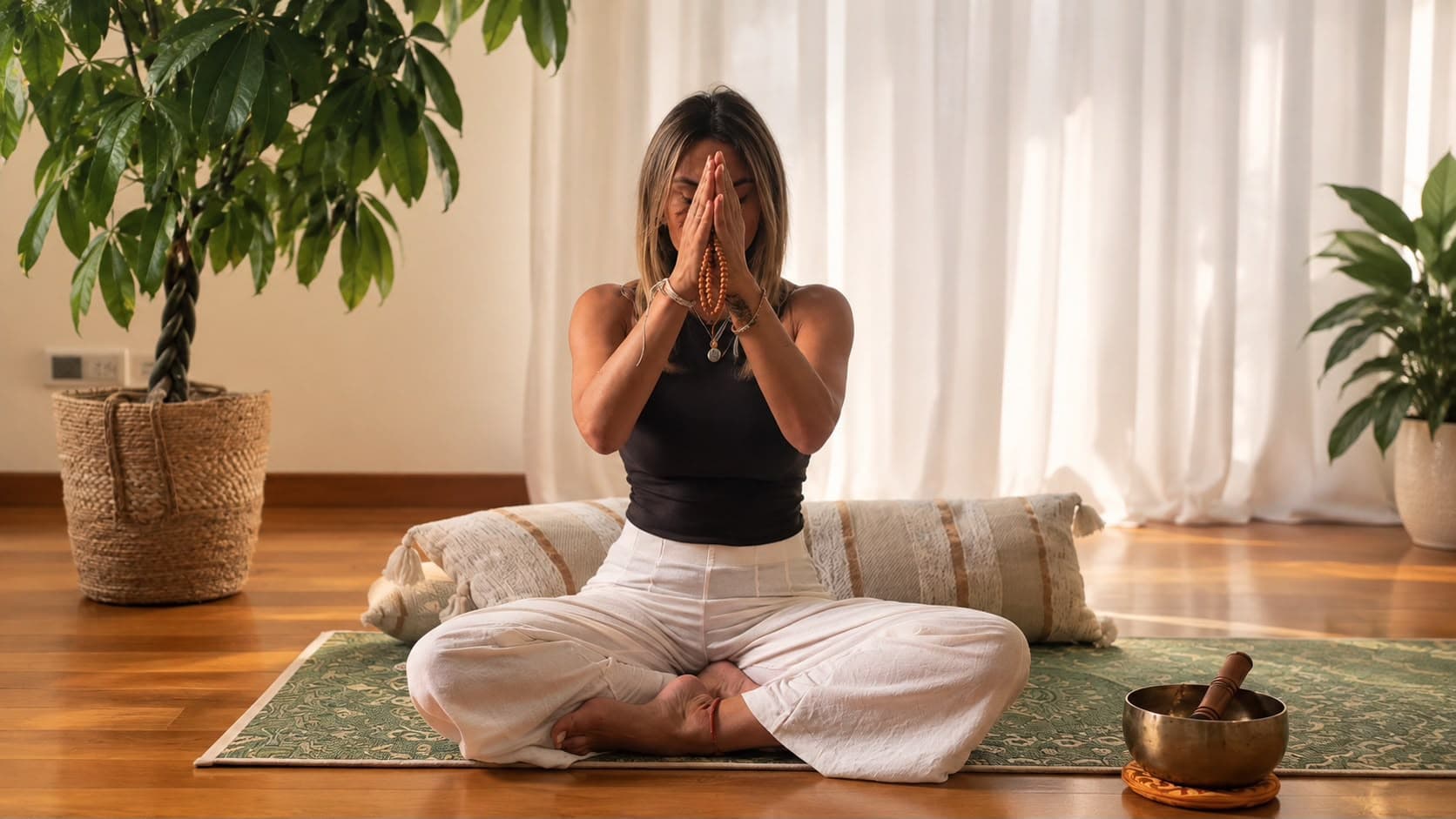
I still remember it. The first times I took part in serious yoga classes — not the improvised ones, but the real ones — I heard the teacher pronounce, on the mat, words that were completely incomprehensible to me. Strange, long, unpronounceable sounds. I'd stand there looking around, a little lost, trying to figure out what was happening by copying the person next to me.
Only a few classes later, once I'd grown a little more confident, did I dare to ask: «those words — what do they mean?». The answer opened up a world: they were the names of the poses in Sanskrit, the universal language of yoga. From that day those words stopped frightening me — and started to go everywhere with me.
What Sanskrit is and where it comes from
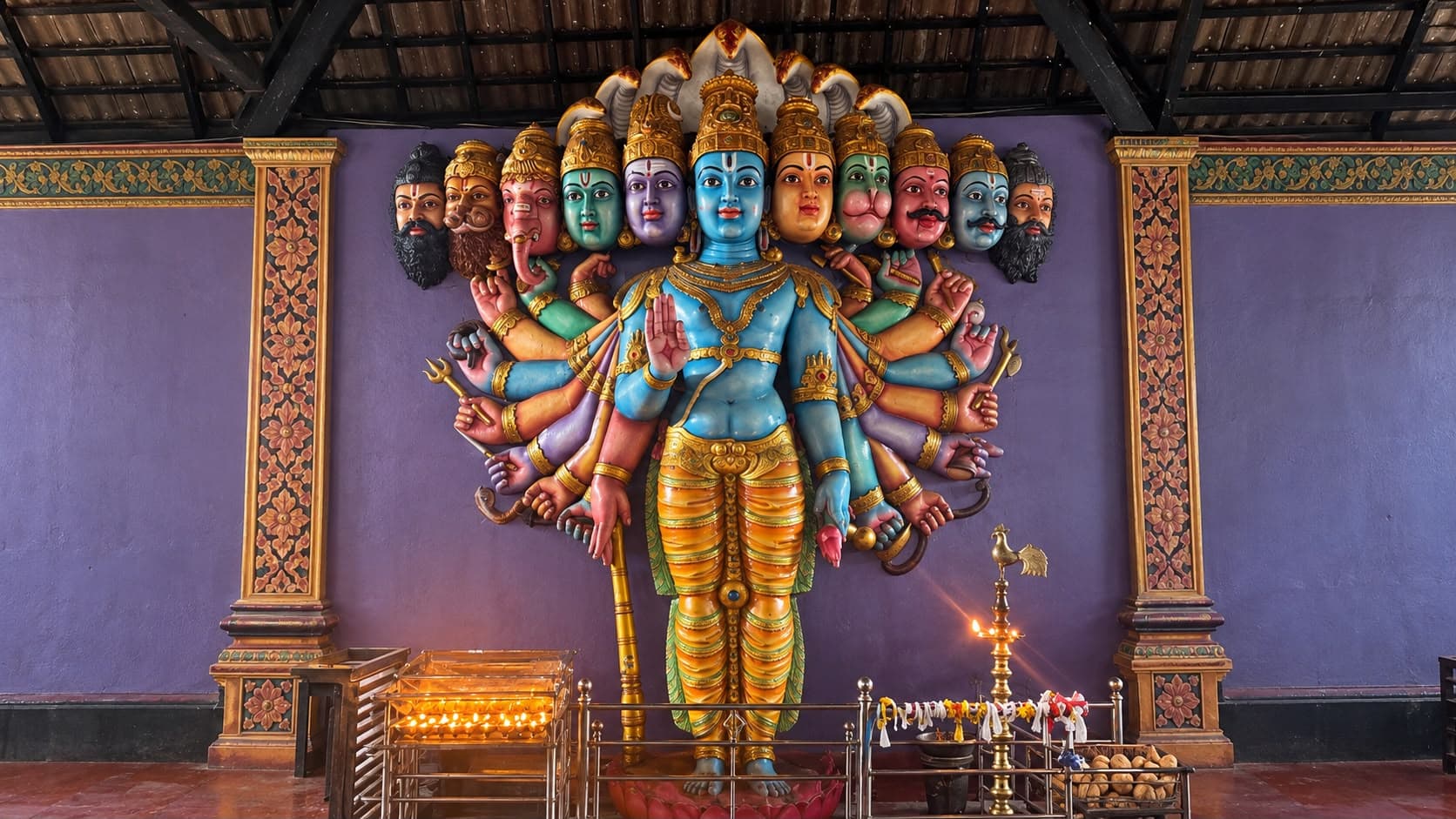
Sanskrit is one of the oldest languages in the world, the sacred language of India in which much of the yoga tradition was handed down for millennia: the Vedas, the Upanishads, Patanjali's Yoga Sutras. It wasn't the everyday language, but the language of sacred texts, rites and knowledge. And there's a beautiful detail in its very name: samskrta means «perfected, refined, carefully put together», as opposed to the rougher spoken languages. Sanskrit, in other words, was born as a language polished to its core.
The language spoken on every mat in the world
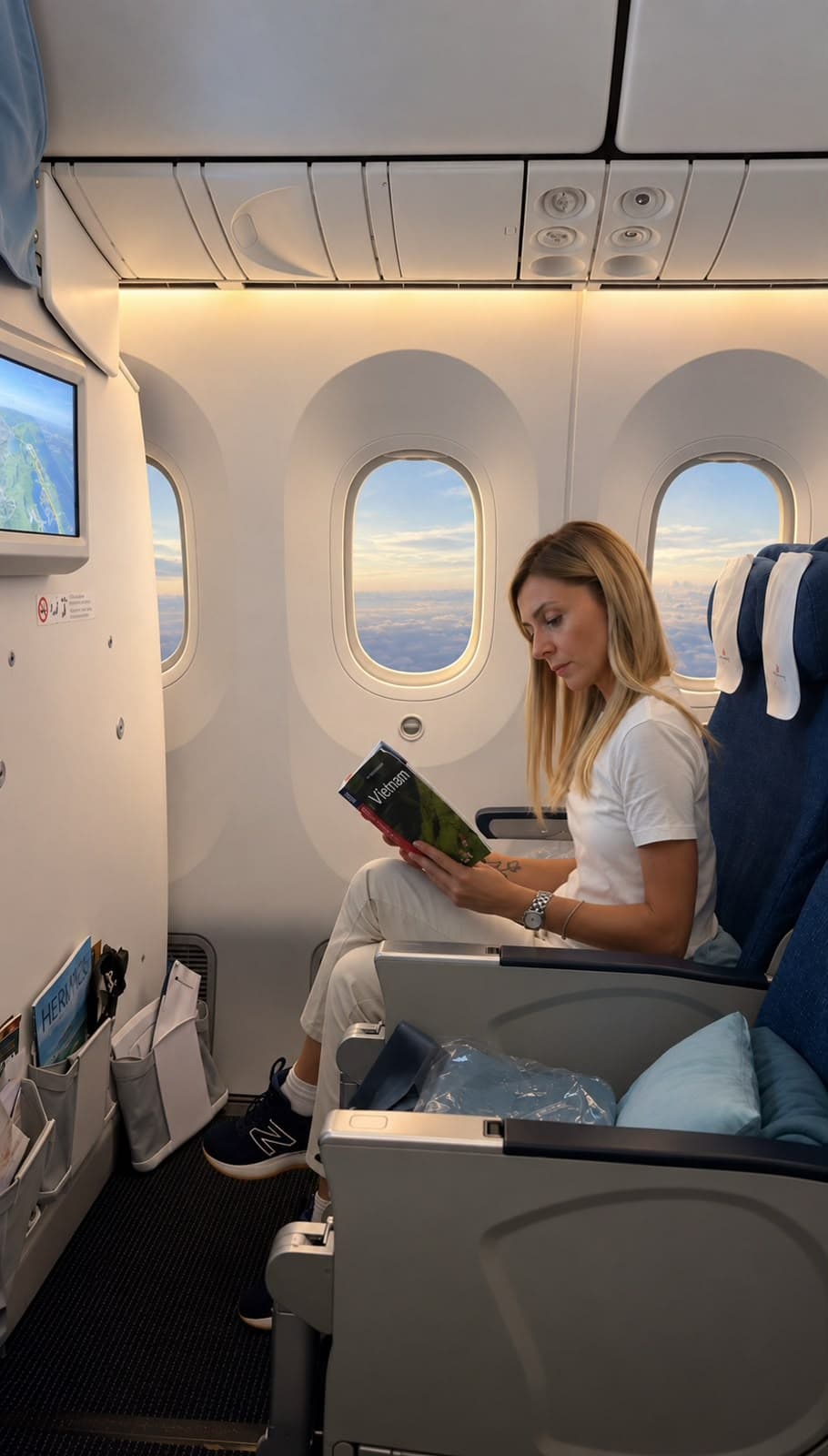
I call it «universal» and I don't mean it figuratively. As a tireless traveller — and a happy yogini — every time I arrive somewhere new, for work or for pleasure, I never miss the chance to become a student again and practise. I've done it across half the world. And again and again I've found myself in front of teachers who spoke English I could barely understand, or didn't speak it at all.
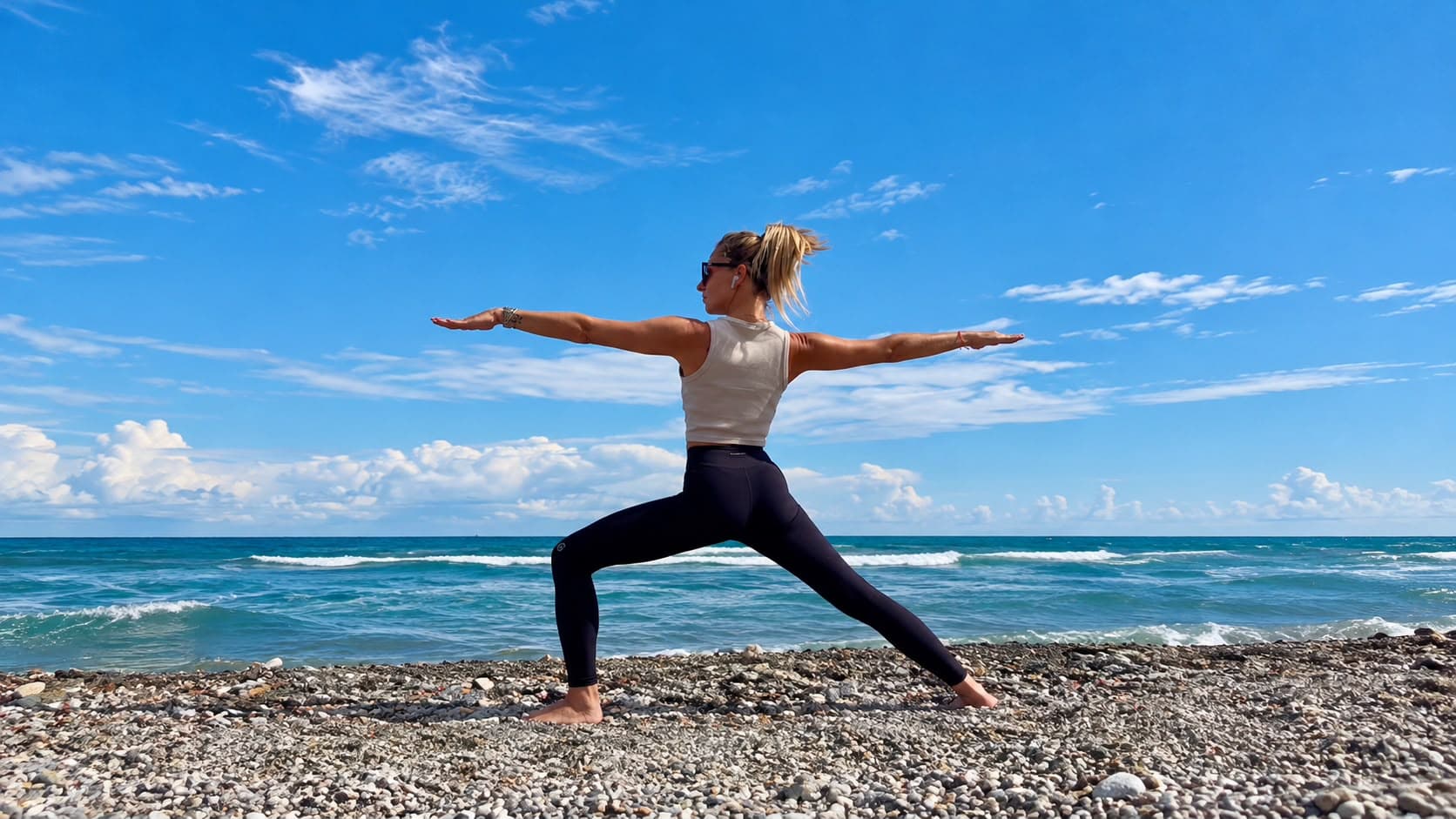
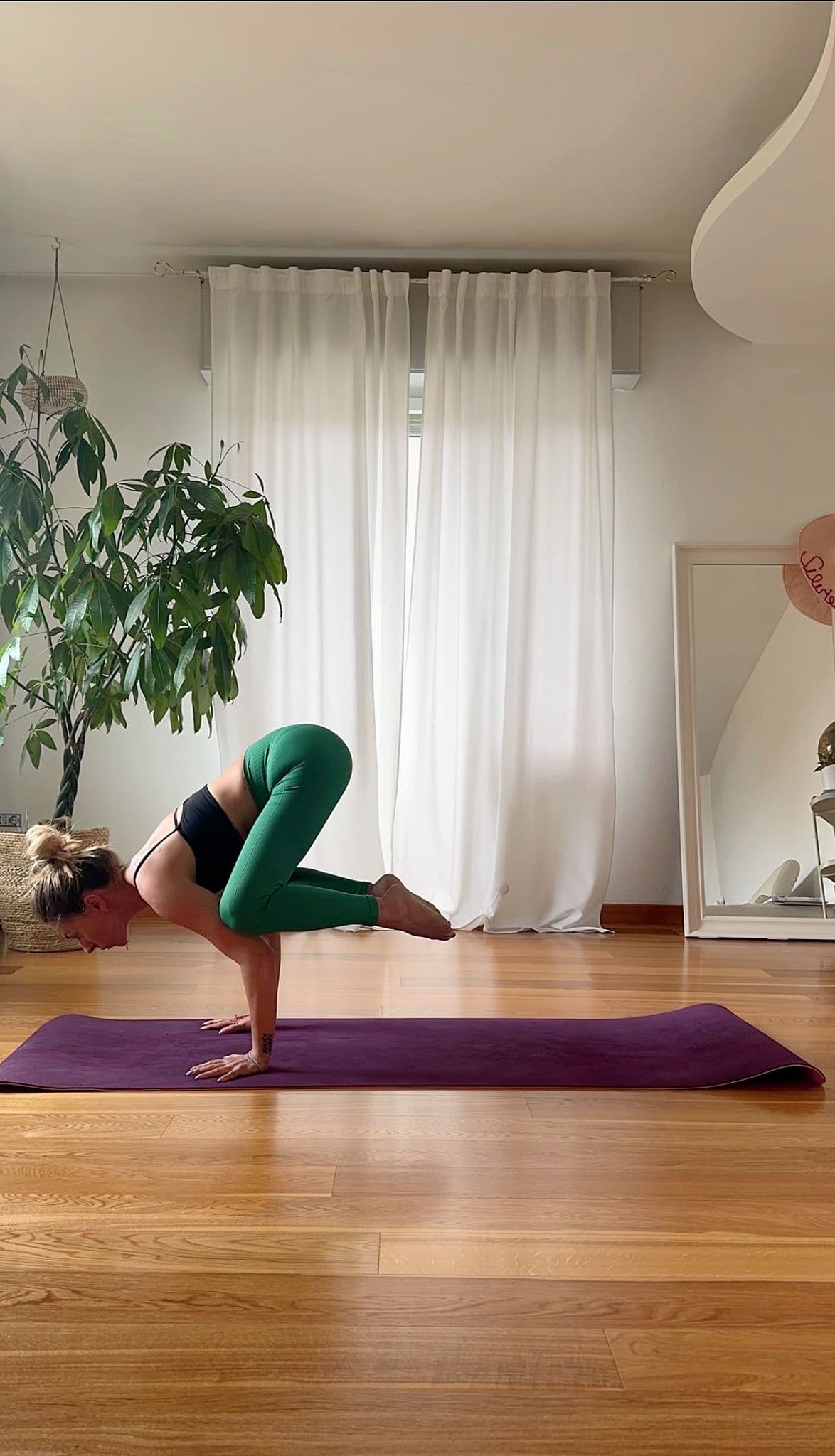
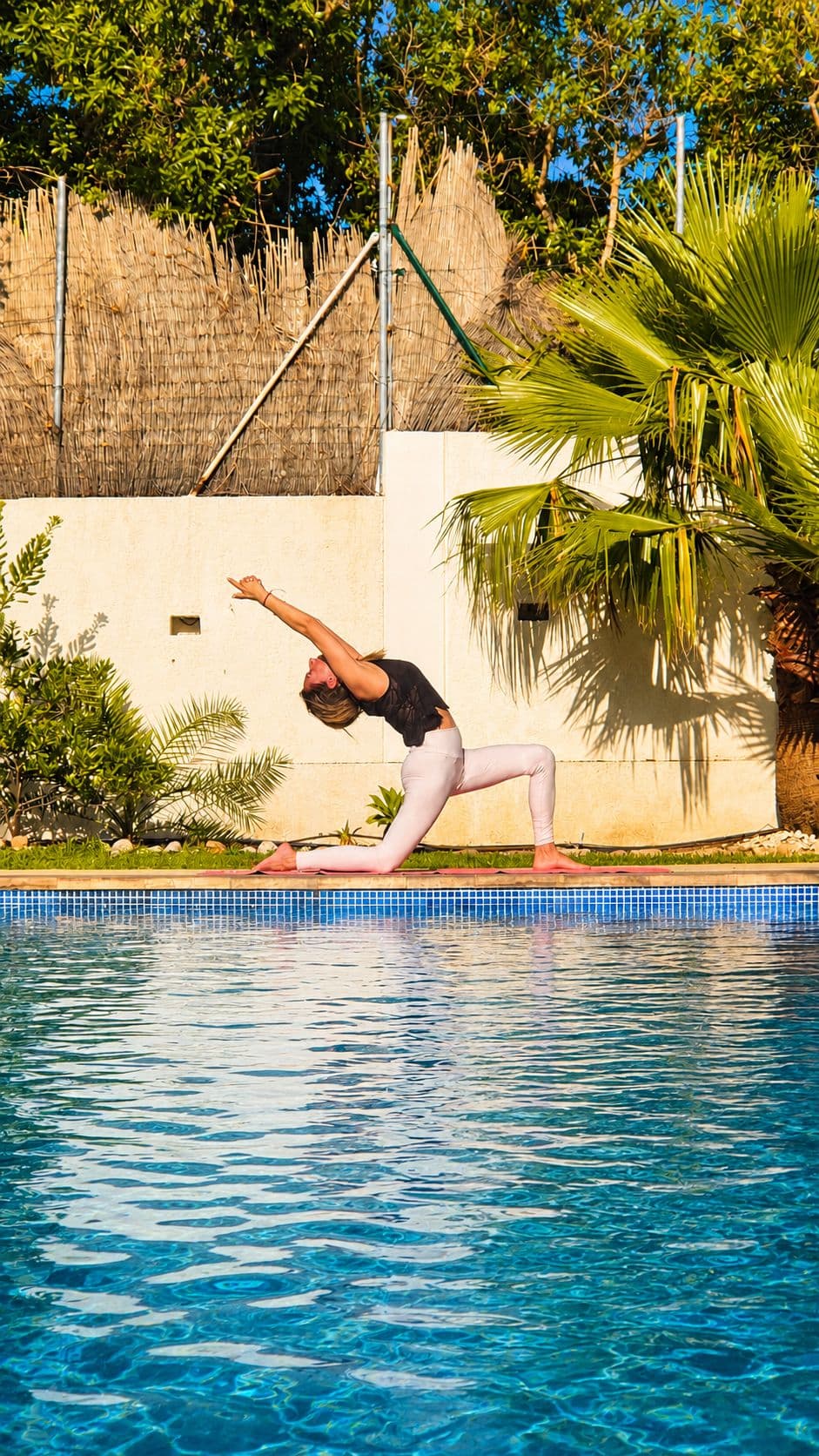
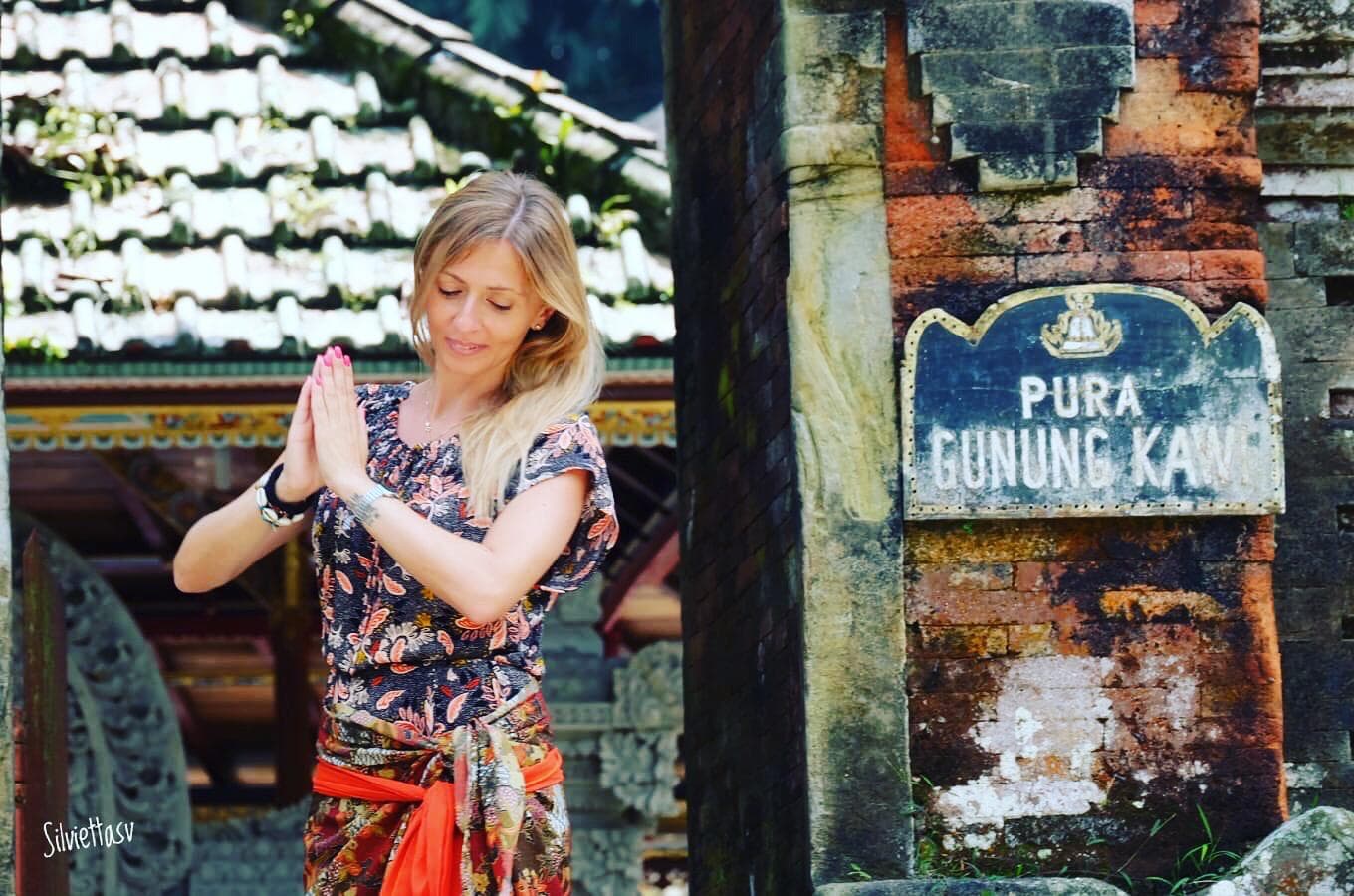
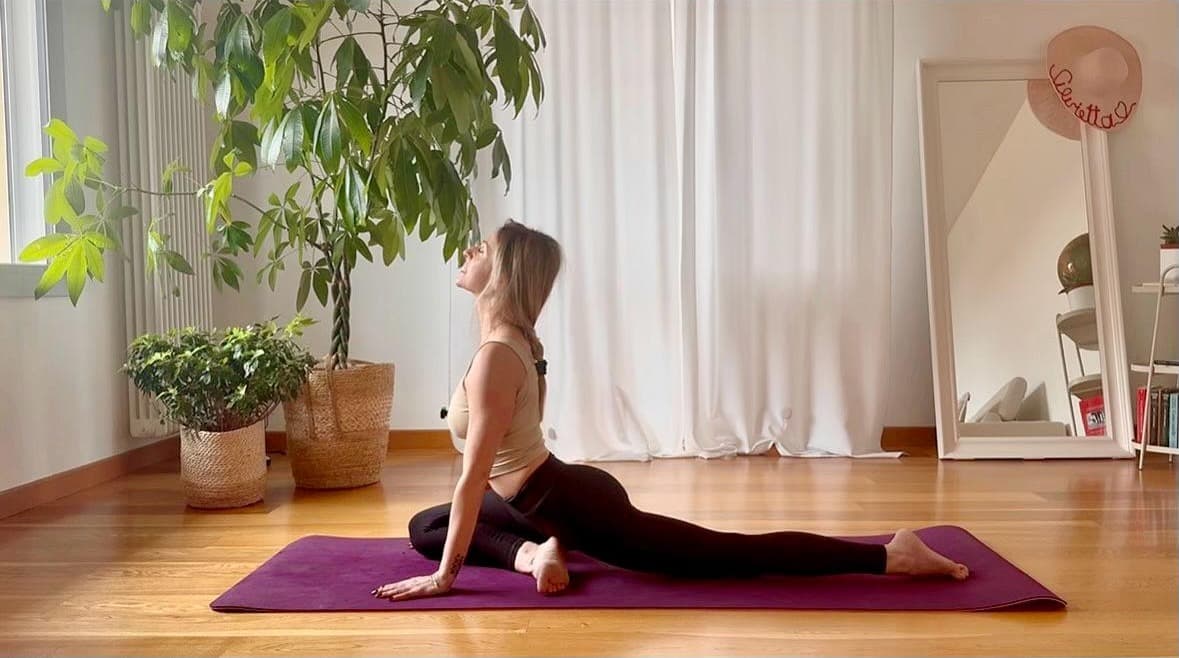
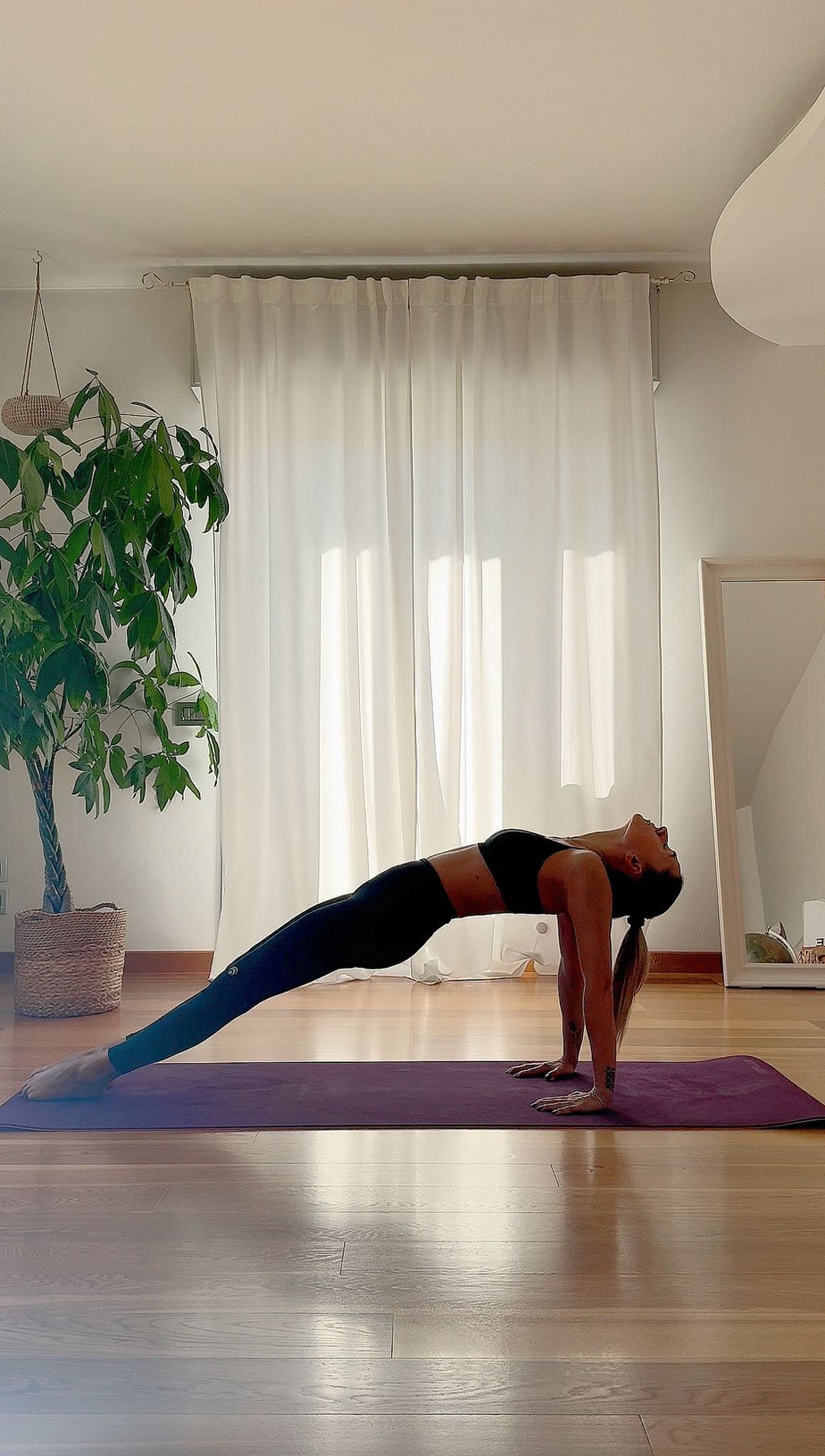
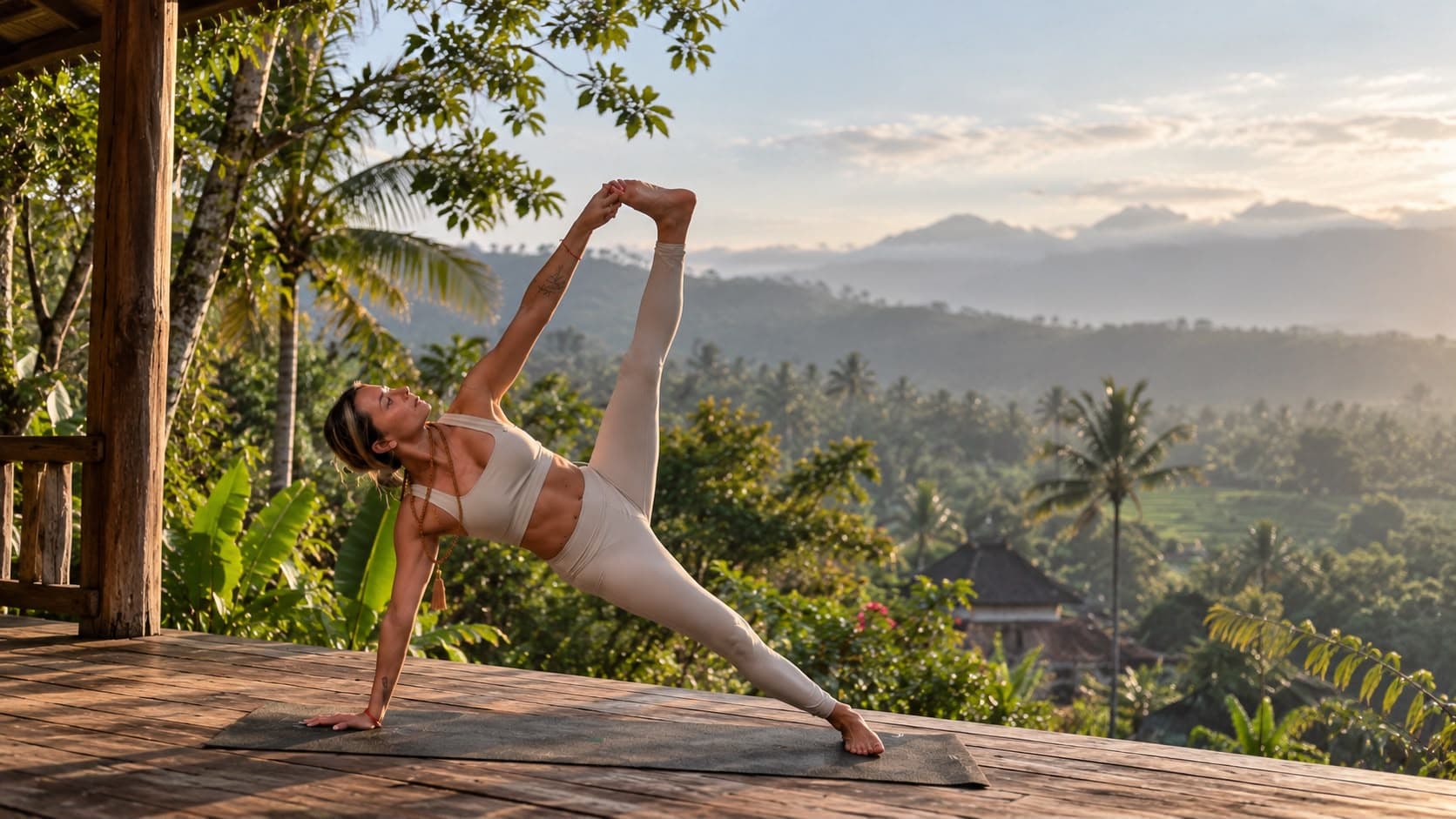
And yet I could follow almost without a hitch. Because when they guided the class, they named the poses in Sanskrit. And Sanskrit, that I understood. Trikonasana is Trikonasana in Milan as in Bali; Bhujangasana is the cobra everywhere. In that moment we weren't Italian, Indonesian or Indian: we were people sharing the same silent language, unrolled beneath our feet.
Sri Lanka: the latest confirmation
The last time it happened was on my recent trip to Sri Lanka, where yoga is literally everywhere: foreign teachers, Indian teachers, practice on every corner. Everyone spoke English, it's true — but I, at times, really struggled to understand the English in front of me, between accents and rhythms so far from my own references.
And once more, like an old friend, Sanskrit came back. Just hearing the name of the asana and my body already knew where to go. I was able to practise with the same passion, the same ease and the same joy as always, thousands of kilometres from home. It's in those moments that you truly understand what «universal language» means: it's not a line from a brochure, it's a key that opens the doors of the world.
Why I use Sanskrit in my classes
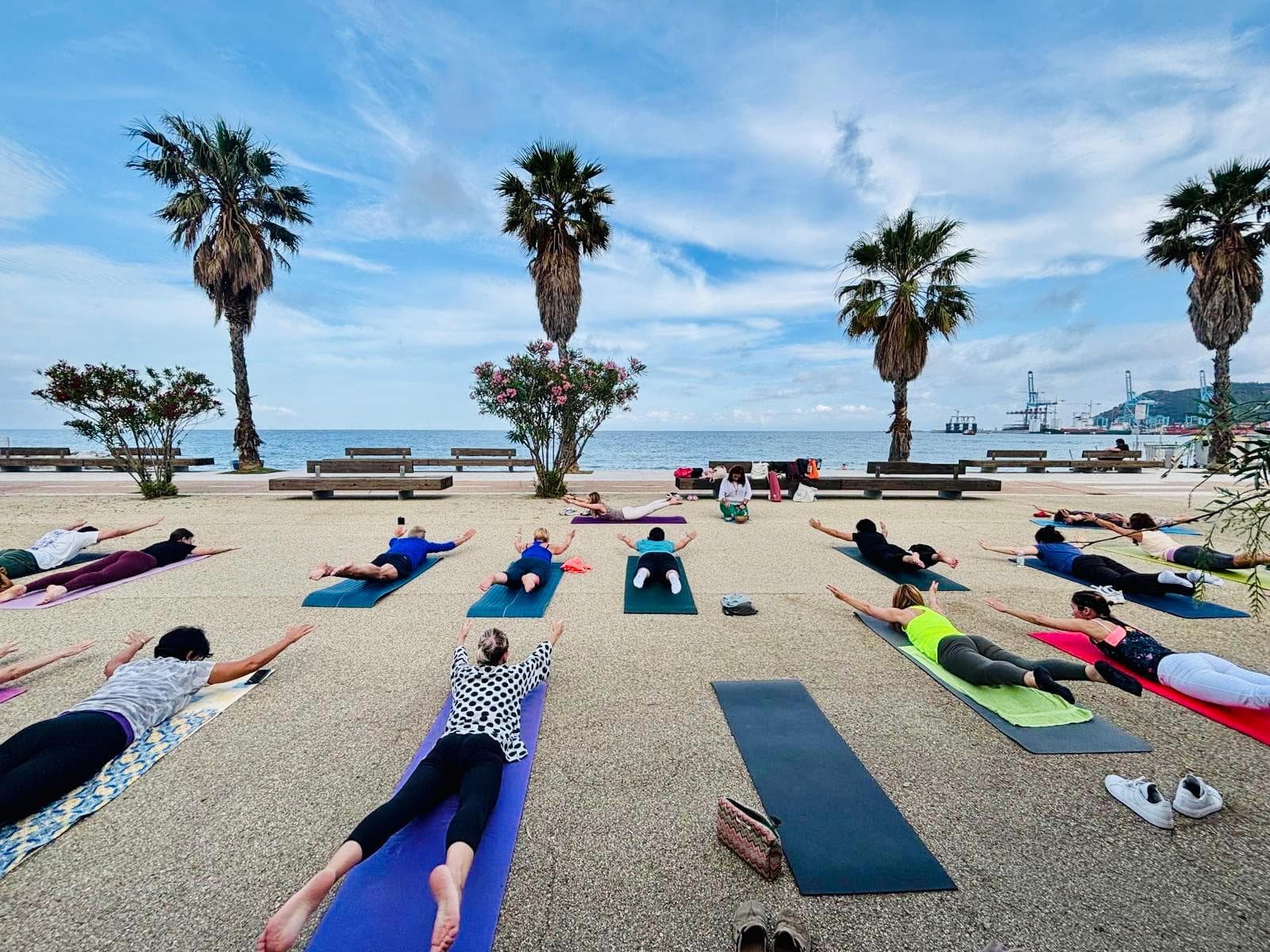
That's exactly why, in my classes, I always name the asana first in Sanskrit, and then in Italian (and sometimes, almost by reflex, in English too — because teaching abroad I often have students from many different countries in front of me). Not to put on airs: to give my students the same key that opened the world to me.
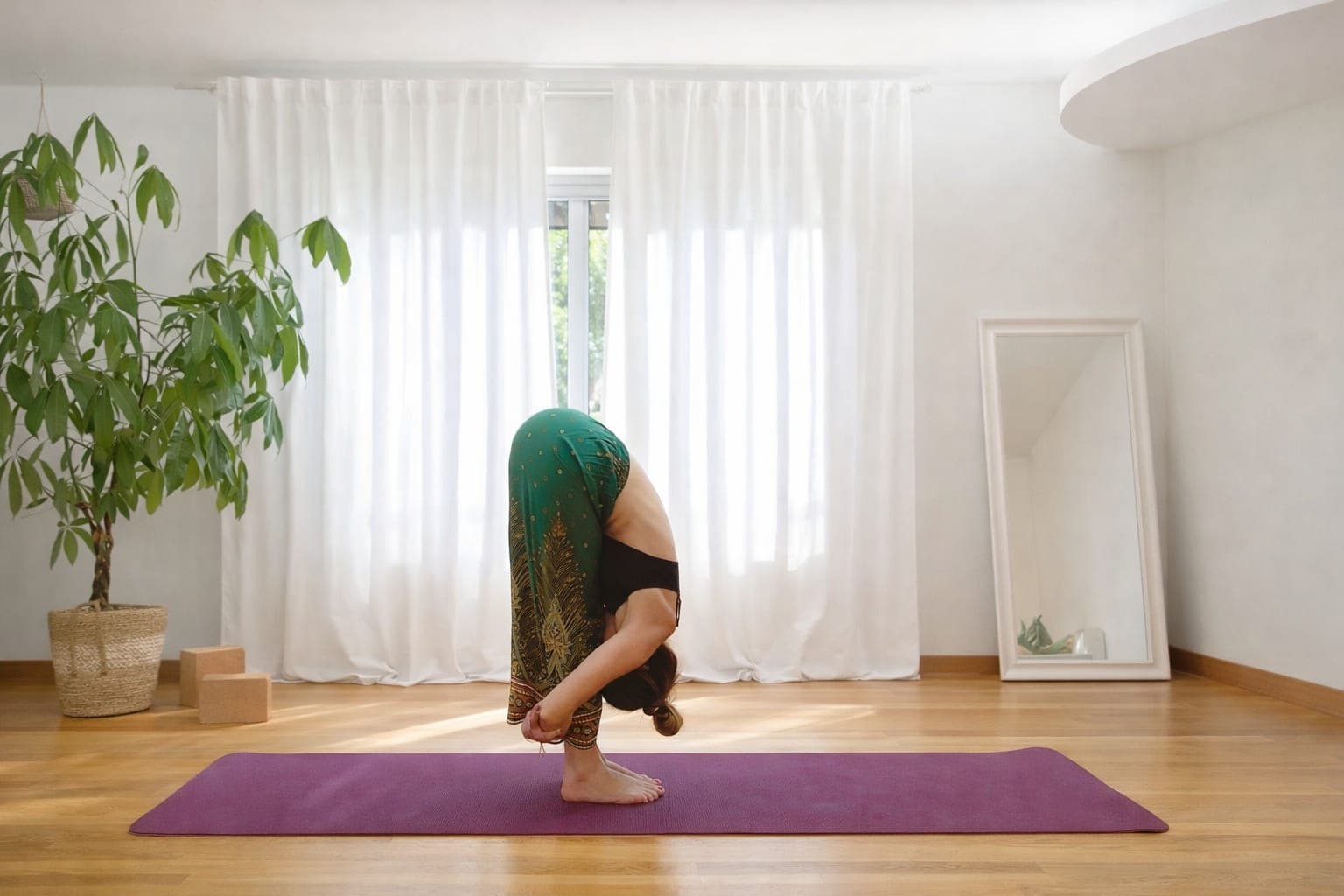
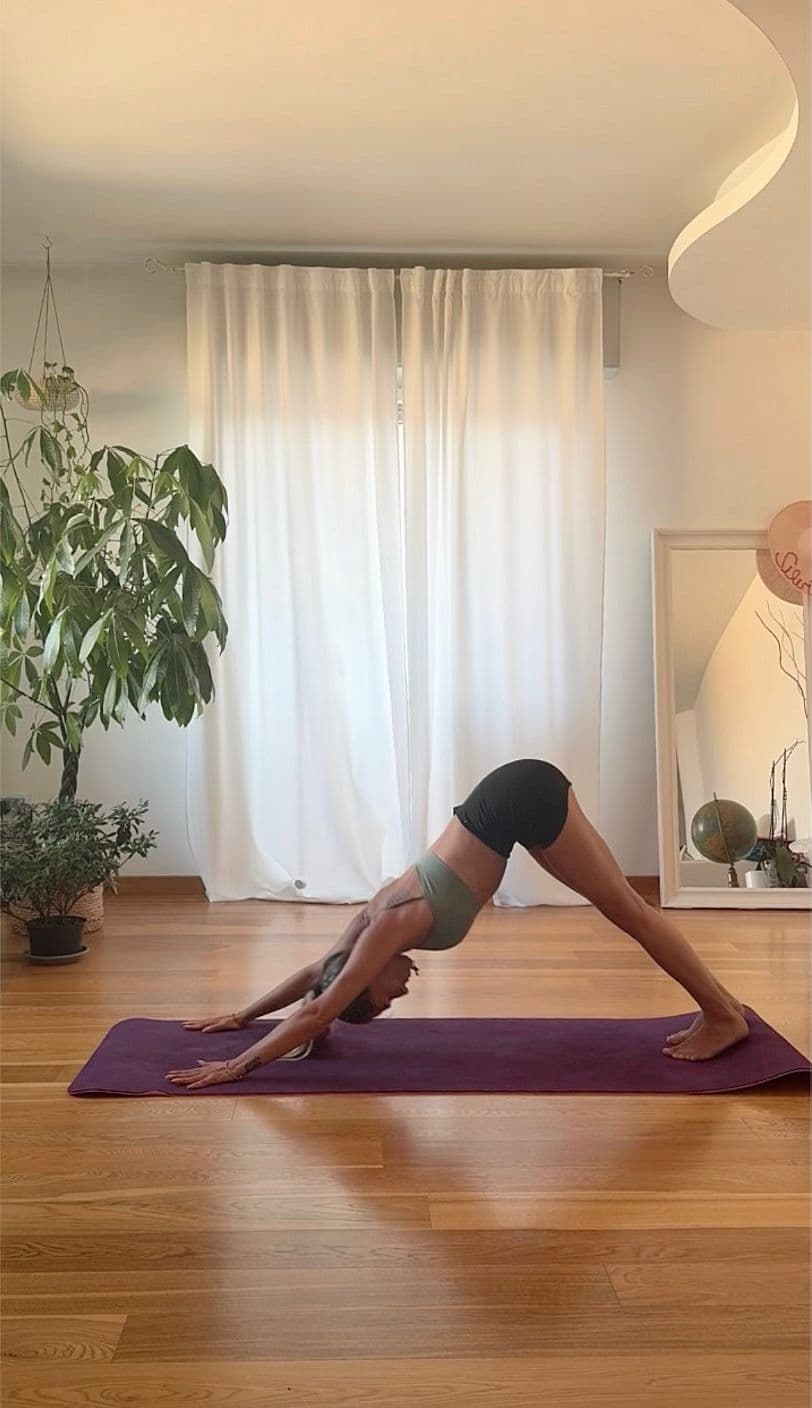
I do it calmly, without drowning anyone in information. Every now and then I «break down» a word and explain a little piece of it. For example: Uttanasana and Ardha Uttanasana. I explain what Uttanasana is, and then that ardha means «half». One crumb at a time. Because if you learn that ardha means half, the next time you find it in another name — and you will — you'll already know what it's about. Class after class, an awareness is built: you no longer follow an order, you understand what you're doing. Exactly as happens when you learn the «building blocks» of the words in the glossary.
↗Learn to decode the names: the glossary
If you want to start recognising the «building blocks» of the words — the prefixes, the recurring parts — here's the glossary of the asanas in Sanskrit, word by word.
A curiosity
Sanskrit isn't just ancient: it's surprisingly logical. Its grammar was codified by a man named Panini over two thousand years ago, in a work so precise and systematic that it's considered one of the most extraordinary ever written by a human mind — so much so that it fascinated modern linguists and even the early computer scientists, who admired its almost «mathematical» structure. In short, when you pronounce a name in Sanskrit on the mat, you're using a language built with a care that has few equals in the world. Not bad, for something that at first just sounded like «incomprehensible words».
↗Another word we use without knowing: Namaste
From the mat to the T-shirts: what «Namaste» really means, and why it doesn't simply mean «hello».
Sanskrit is the proof that yoga has no borders: you may not speak the language of the one guiding you, but if you know the names of the poses, you're already home. — Silvia
Frequently asked questions
Because it's the language in which the yoga tradition was handed down for millennia, and it has become a common language for practitioners all over the world: the names of the poses are the same everywhere, beyond the spoken language. It's a thread that connects yesterday's practice to today's, and Italy to India.
It comes from samskrta, which in Sanskrit means «perfected, refined, well put together». It was the polished language of the sacred texts and of knowledge, distinct from the everyday spoken languages.
No, not at all. You can practise perfectly well without knowing it. But learning even a few recurring words makes the practice more mindful — and, as has happened to me so many times while travelling, it lets you follow a class anywhere in the world, even without understanding the teacher's language.
To combine the best of both worlds: the Sanskrit name is universal and builds awareness, the one in the local language makes everything immediate. I myself, in my classes, name the asana first in Sanskrit and then in Italian, explaining the meaning of the words little by little.