Makar Sankranti: the Festival of the Sun That Reignites the Year

Silvia Ghigliazza
Yoga Teacher
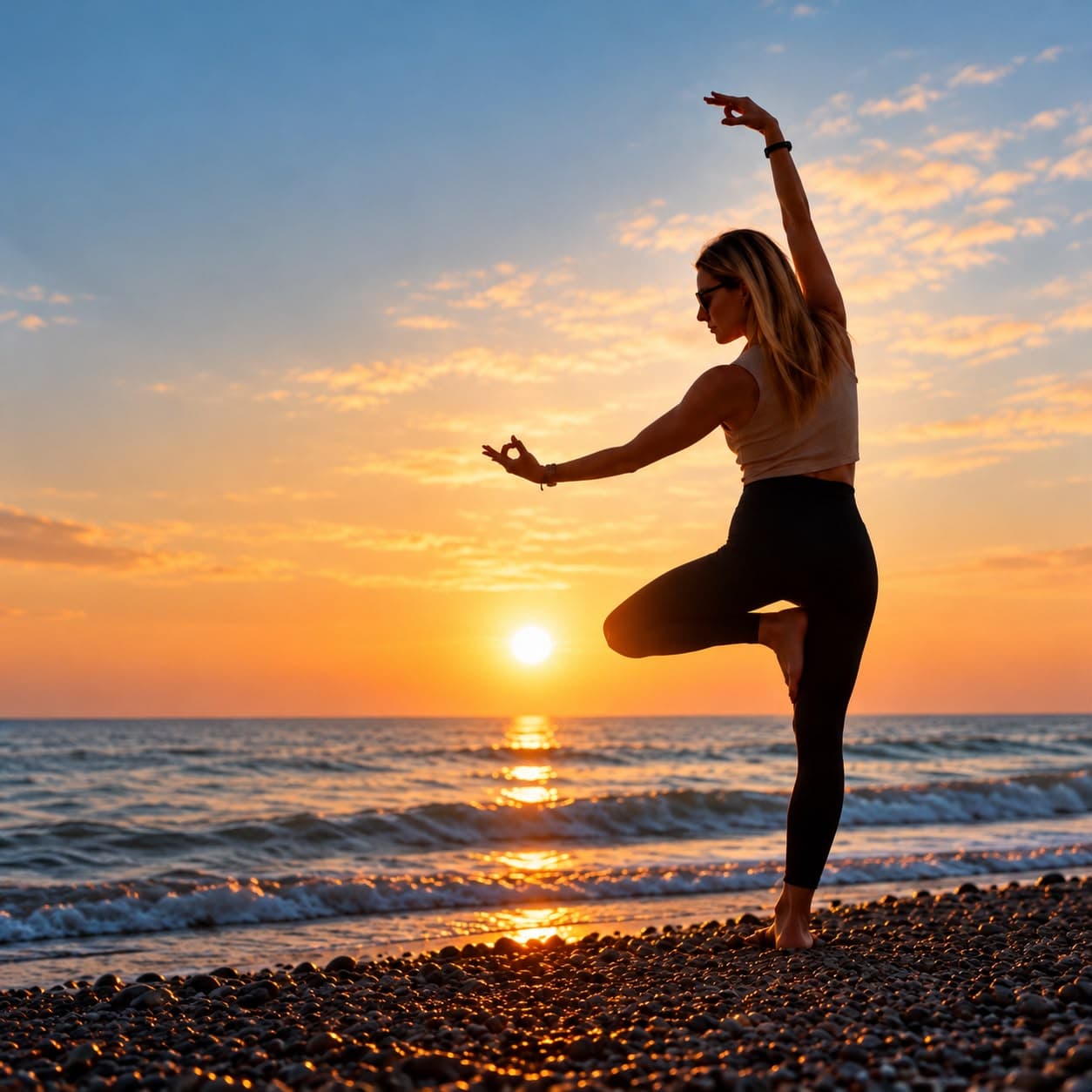
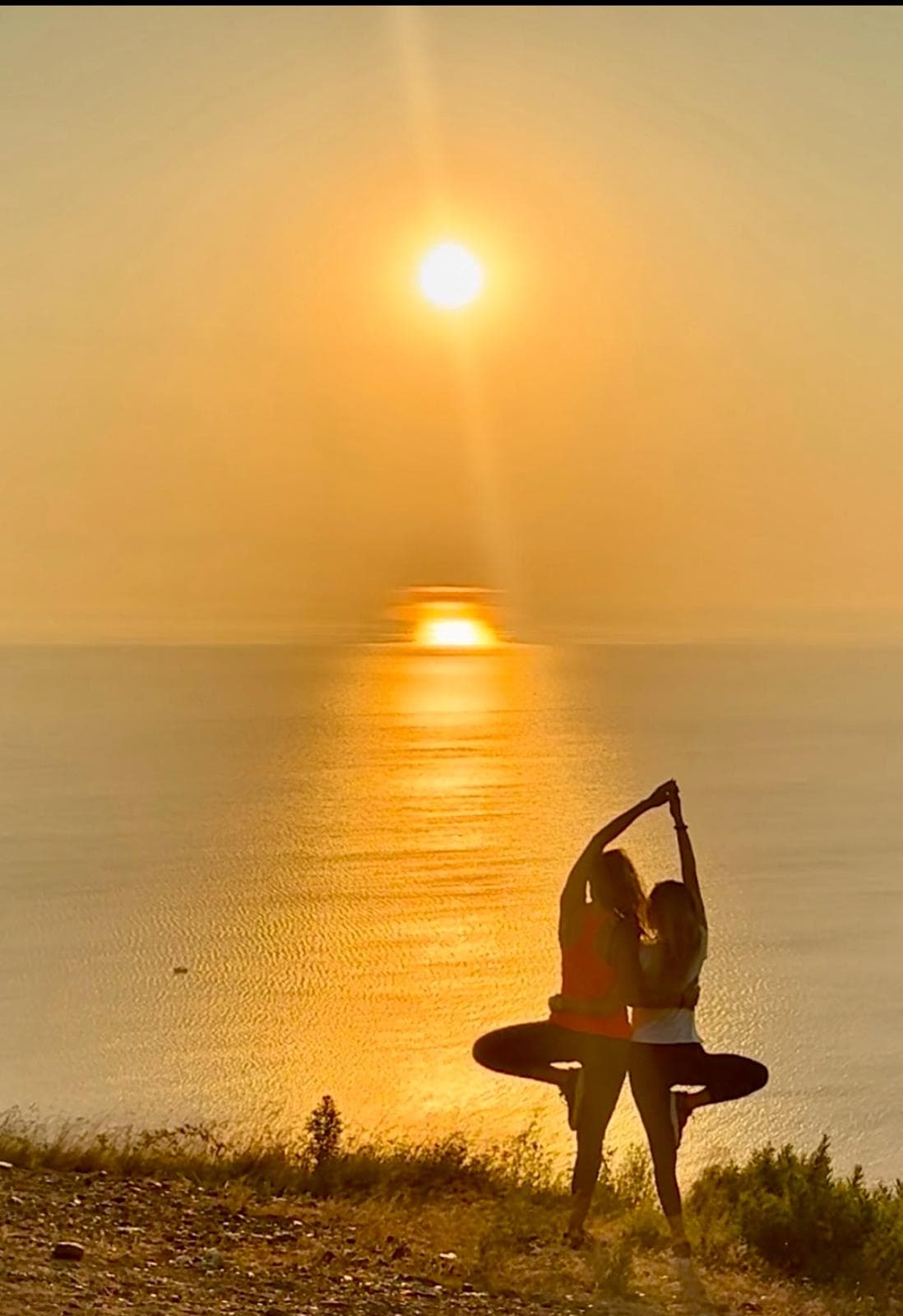
You know that moment, around mid-January, when you notice there's a little more light outside, that the days have shyly started to lengthen again? In India that moment has a name, and it's a festival: Makar Sankranti, the festival of the sun that begins to climb again.
After Diwali, I keep telling you about the great Indian festivals that intertwine with yoga. Today it's a different festival of light: not lamps lit in the dark, but the sun itself beginning its journey anew.
What Makar Sankranti is
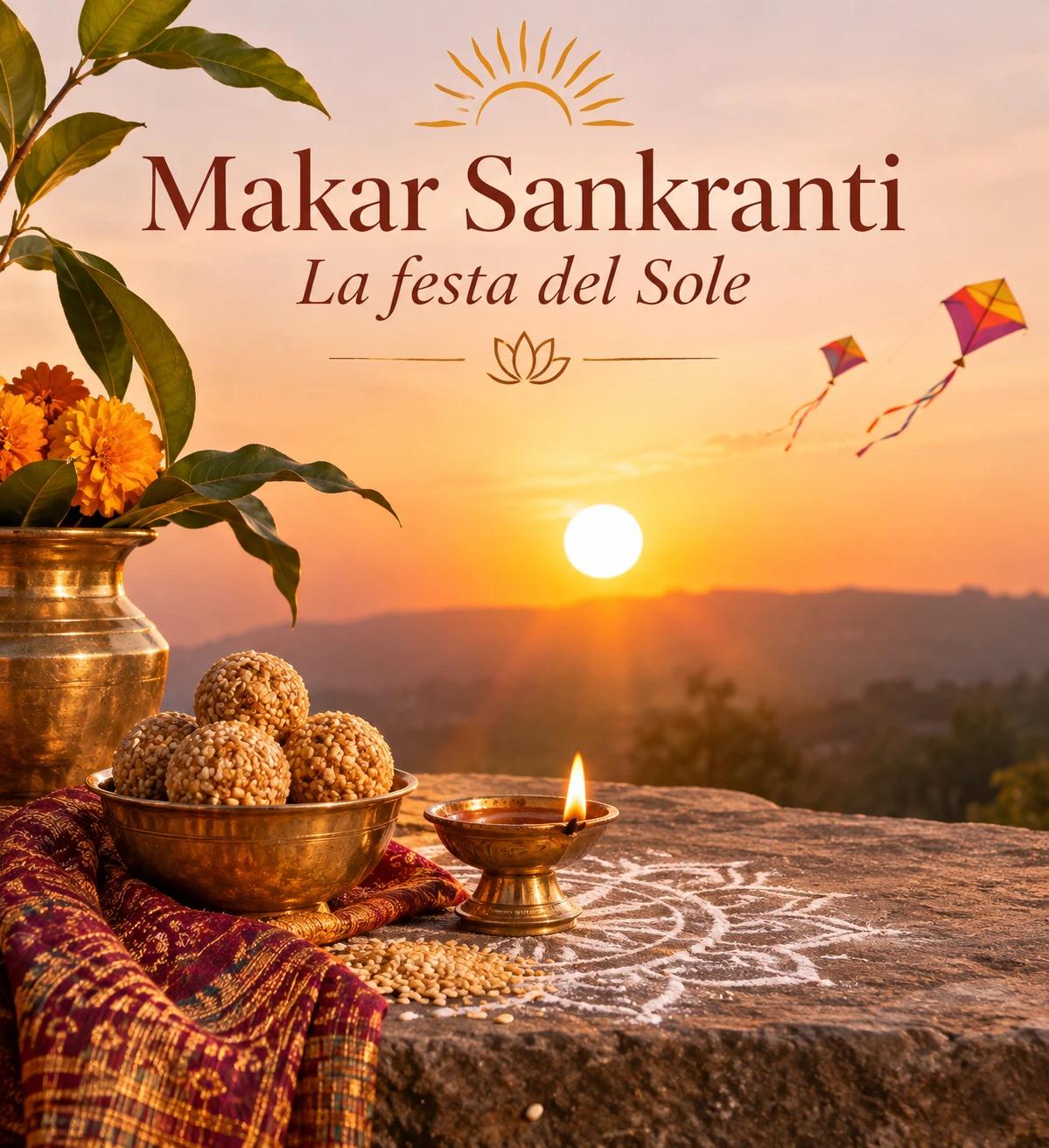
The name explains almost everything. Makara is Capricorn, the zodiac sign; Sankranti means «transit», «passage». Makar Sankranti is the day the sun enters the constellation of Capricorn — an astronomical passage that marks the beginning of Uttarayana, the sun's «journey to the north». From this day the days begin to lengthen again: light wins over darkness once more. It's also a great harvest festival, a thanksgiving for the gifts of the earth and the sun.
When it falls (and why, this time, it doesn't change)
Here's a detail I love. Almost all Indian festivals follow the moon, and so they change date every year (Diwali, for instance). Makar Sankranti doesn't: it follows the sun. That's why it falls on almost the same day every year — 14 January, in some regions the 15th. In 2027 it will be around 14-15 January. It is, literally, the festival timed to the very star it celebrates.
How it's celebrated in India
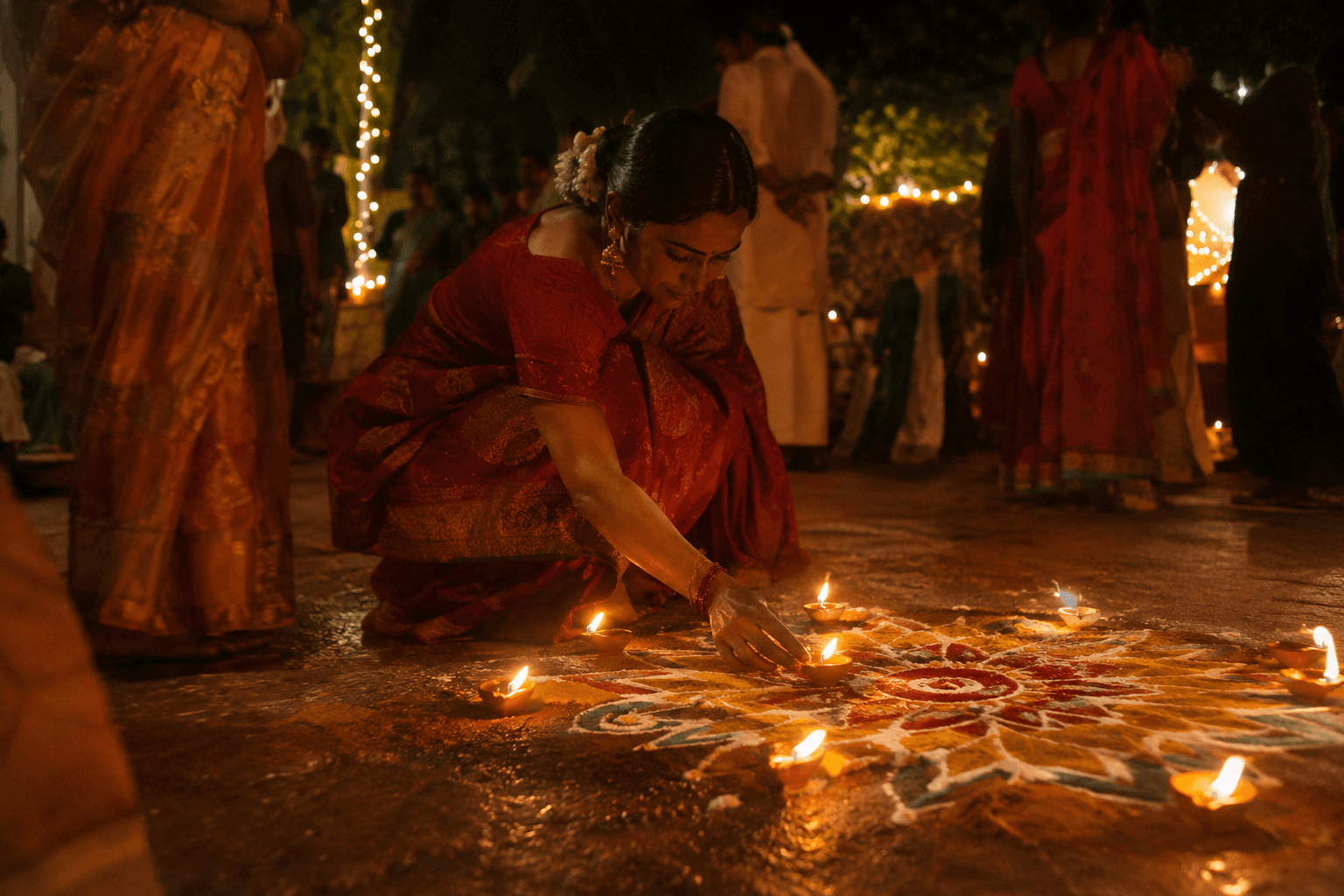
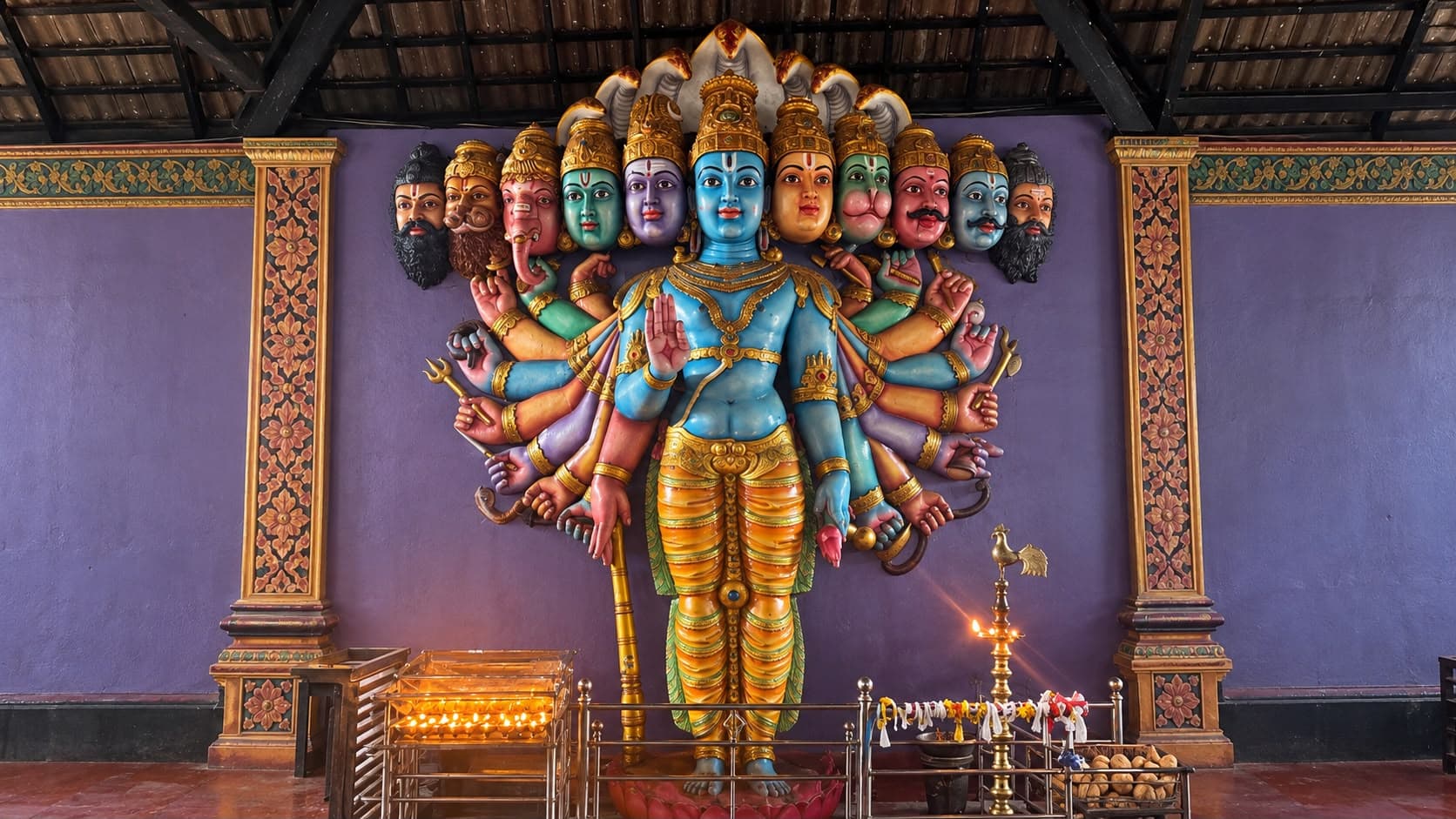
It's a festival with a thousand faces and a different name in every region. In the south it's Pongal, four days devoted to the sun and the harvest, with sweet rice that boils over the pot — a sign of abundance. In Punjab the eve is Lohri, with bonfires. In Gujarat it's Uttarayan, and the sky fills with thousands of brightly coloured kites. In Assam it's Magh Bihu, with feasts. Everywhere, two constants: ritual baths in the sacred rivers — above all the Ganges — at dawn, and sweets of sesame and jaggery (raw cane sugar), the til-gud. They're offered with a beautiful phrase: «til-gud ghya, god god bola», «take this sweet and speak sweetly». An invitation to leave the roughness behind and begin again, gently.
The link to yoga: the sun
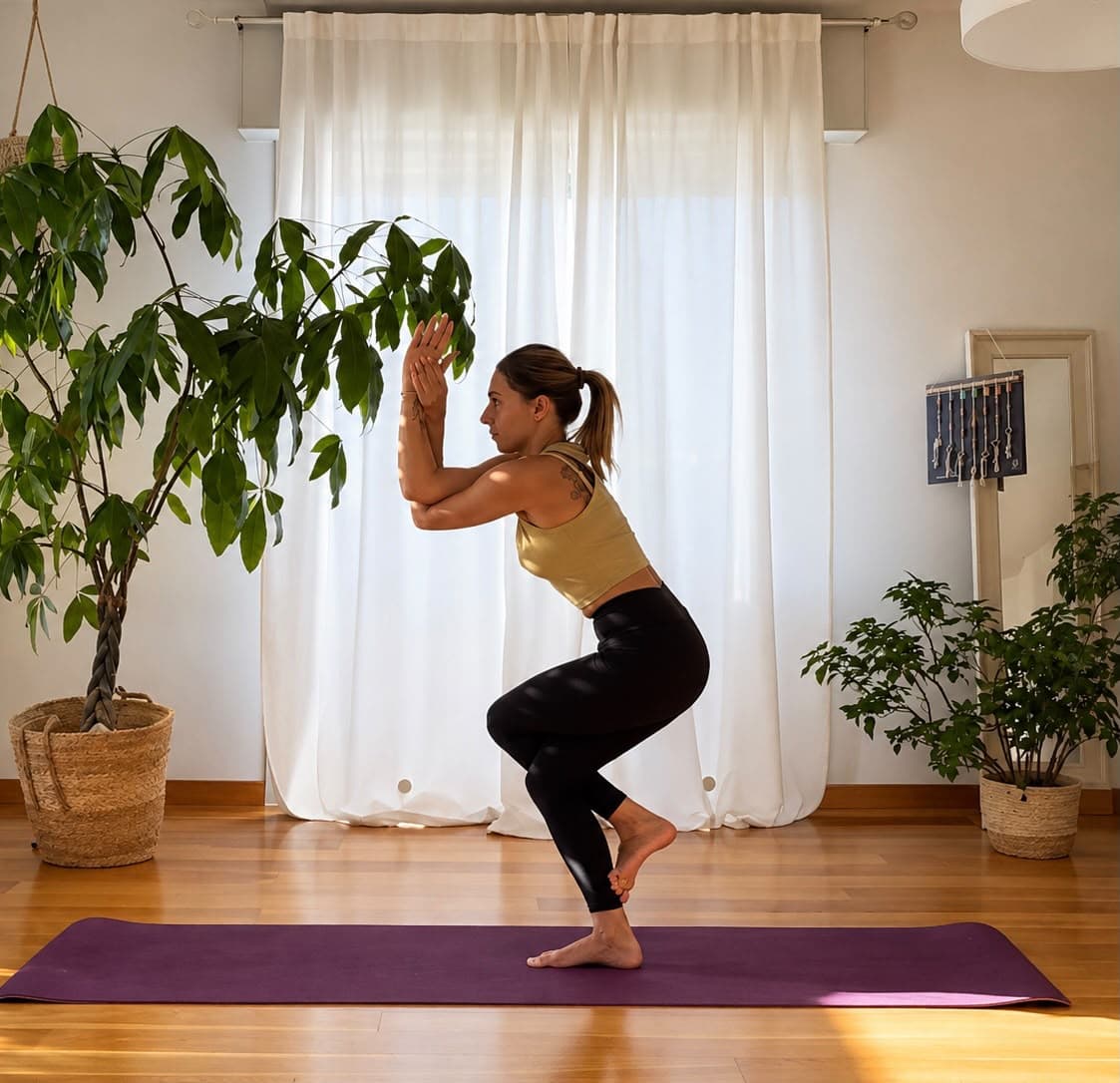
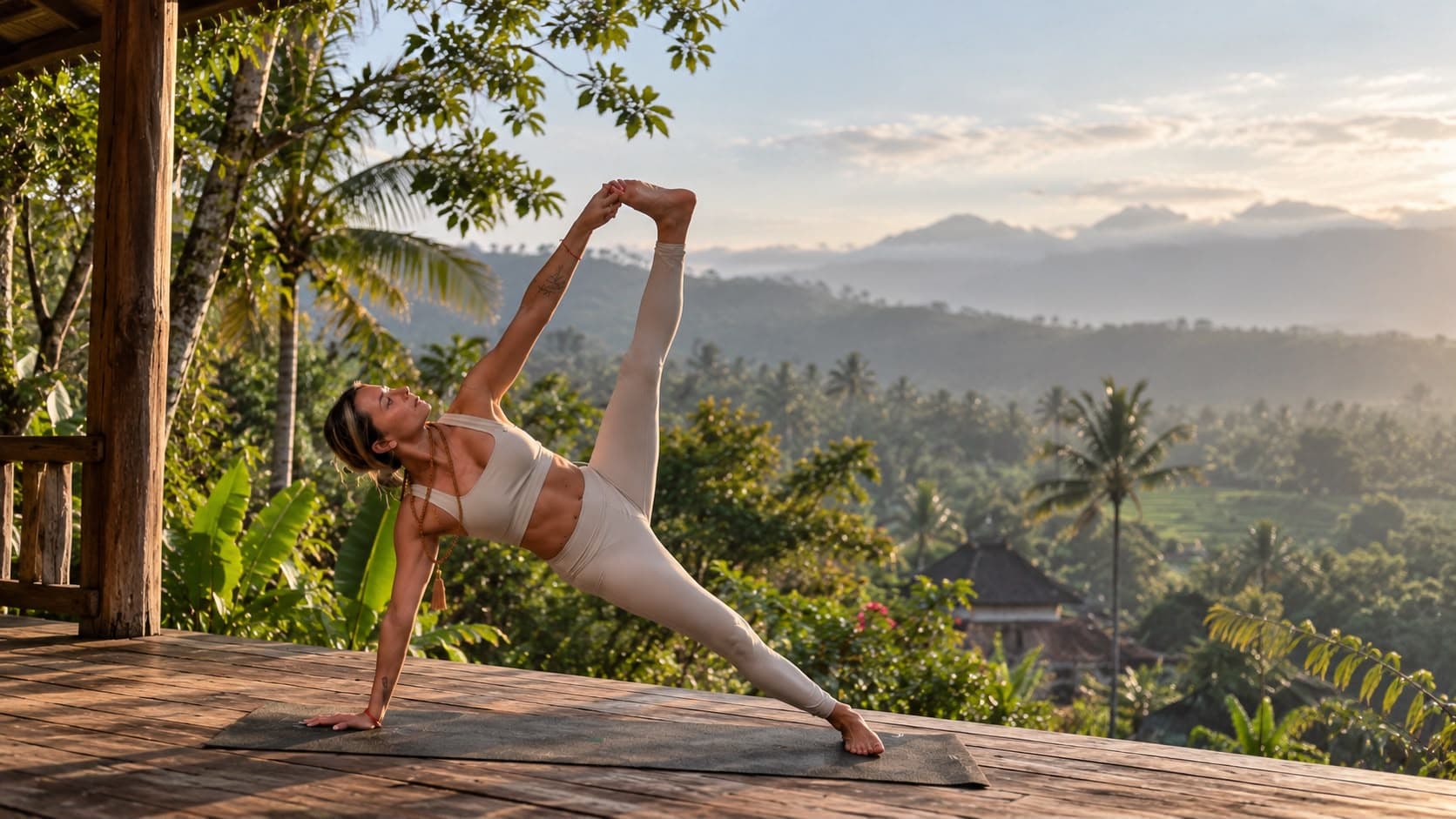
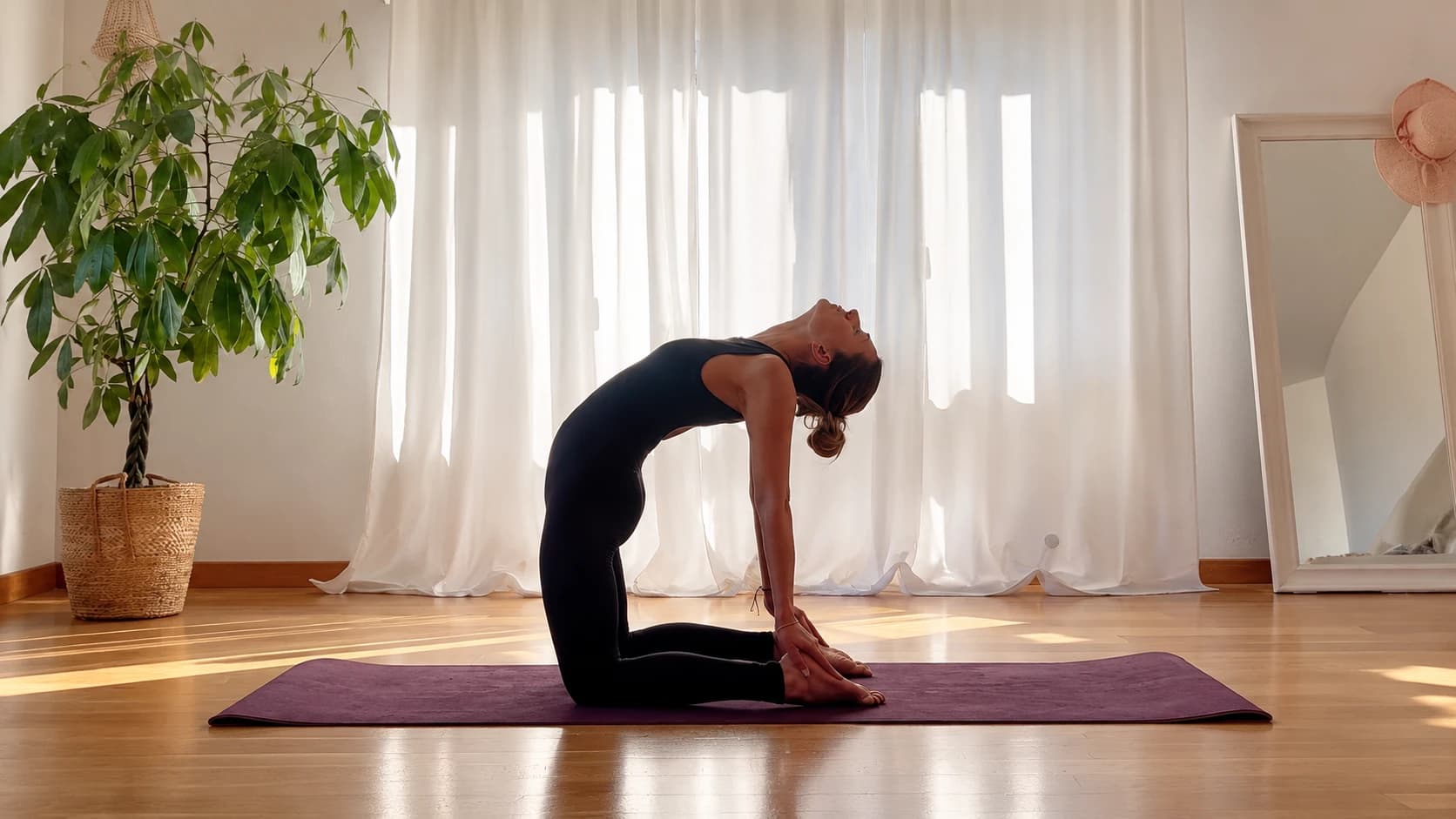
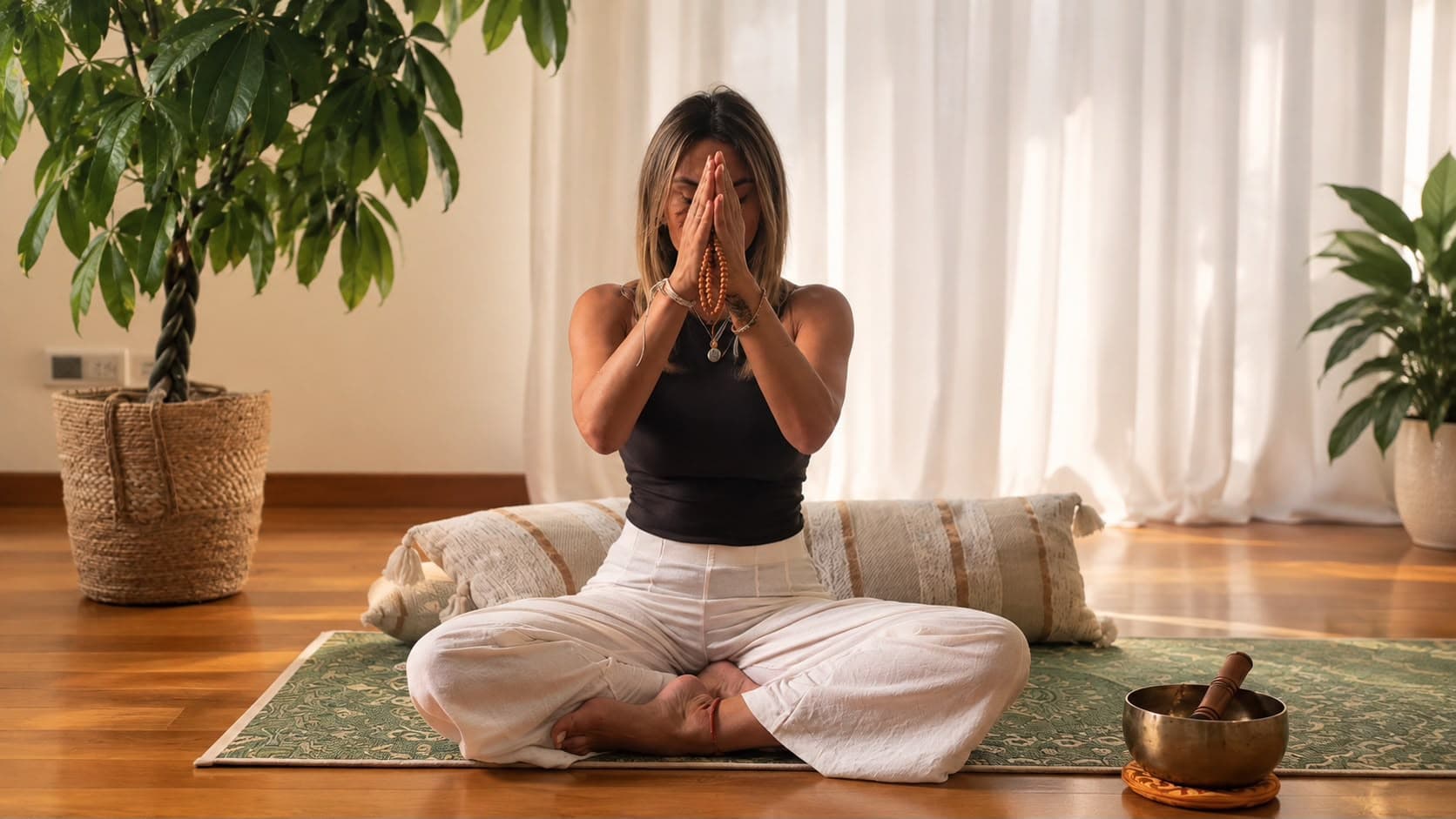
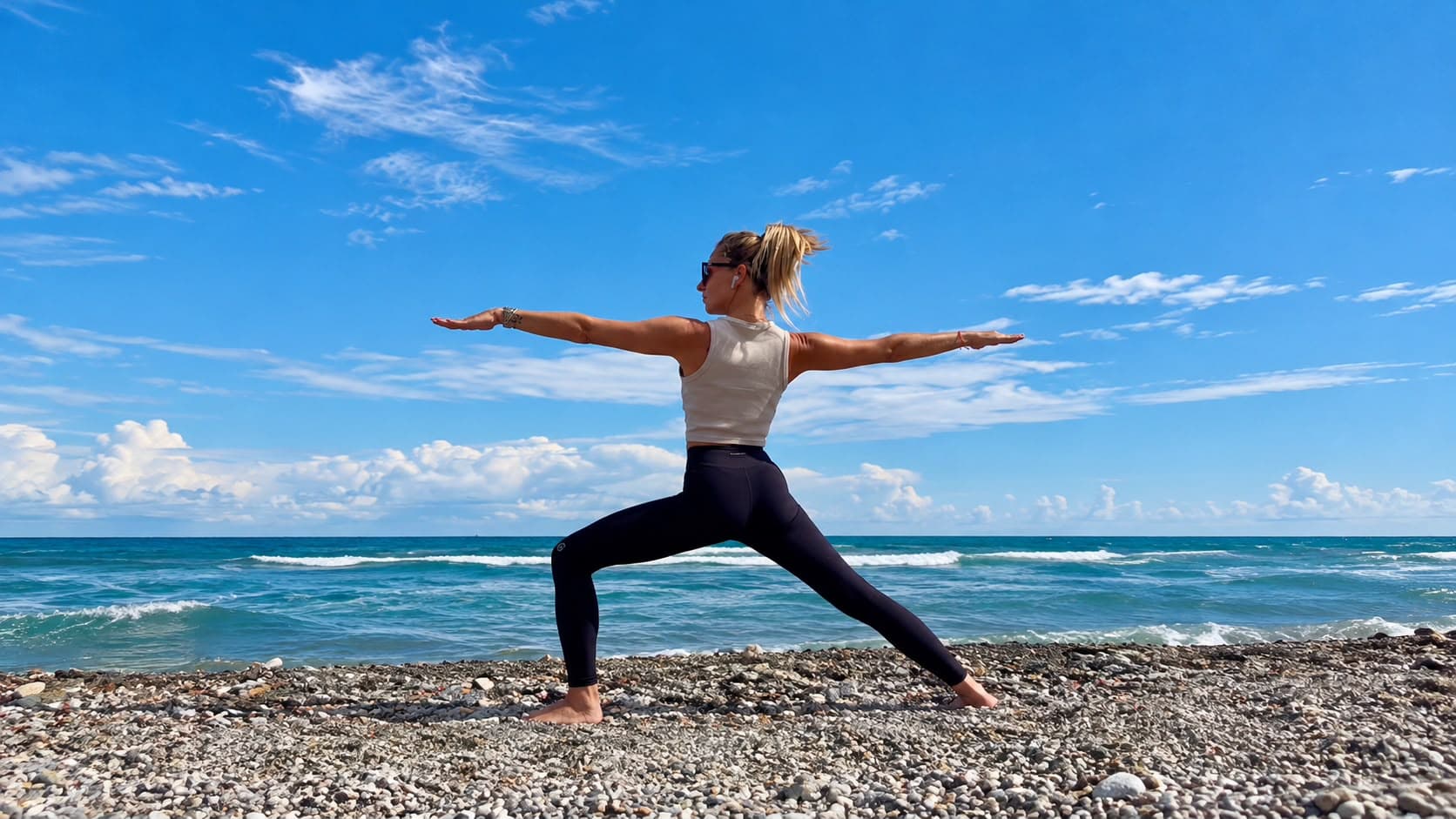
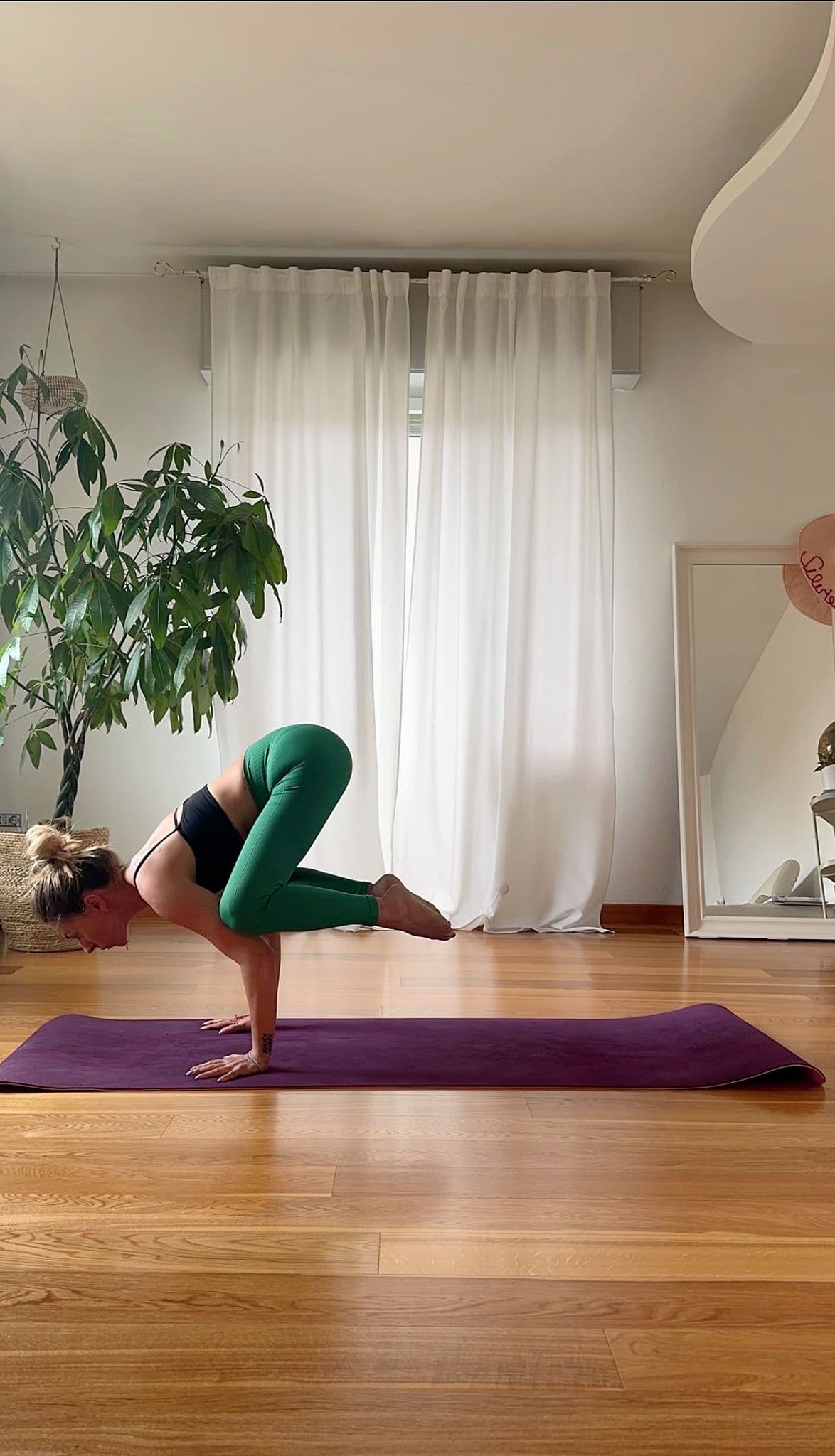
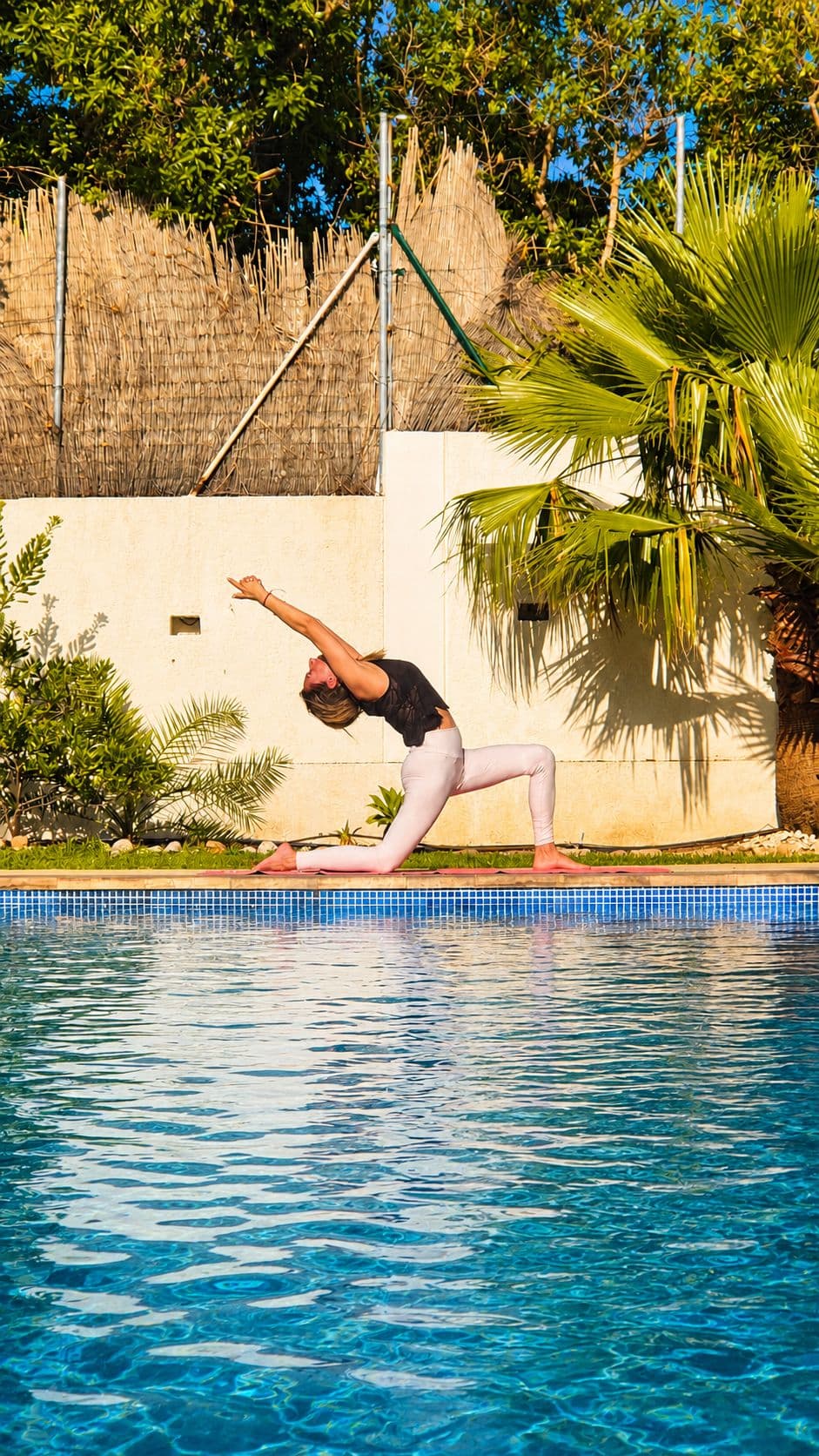
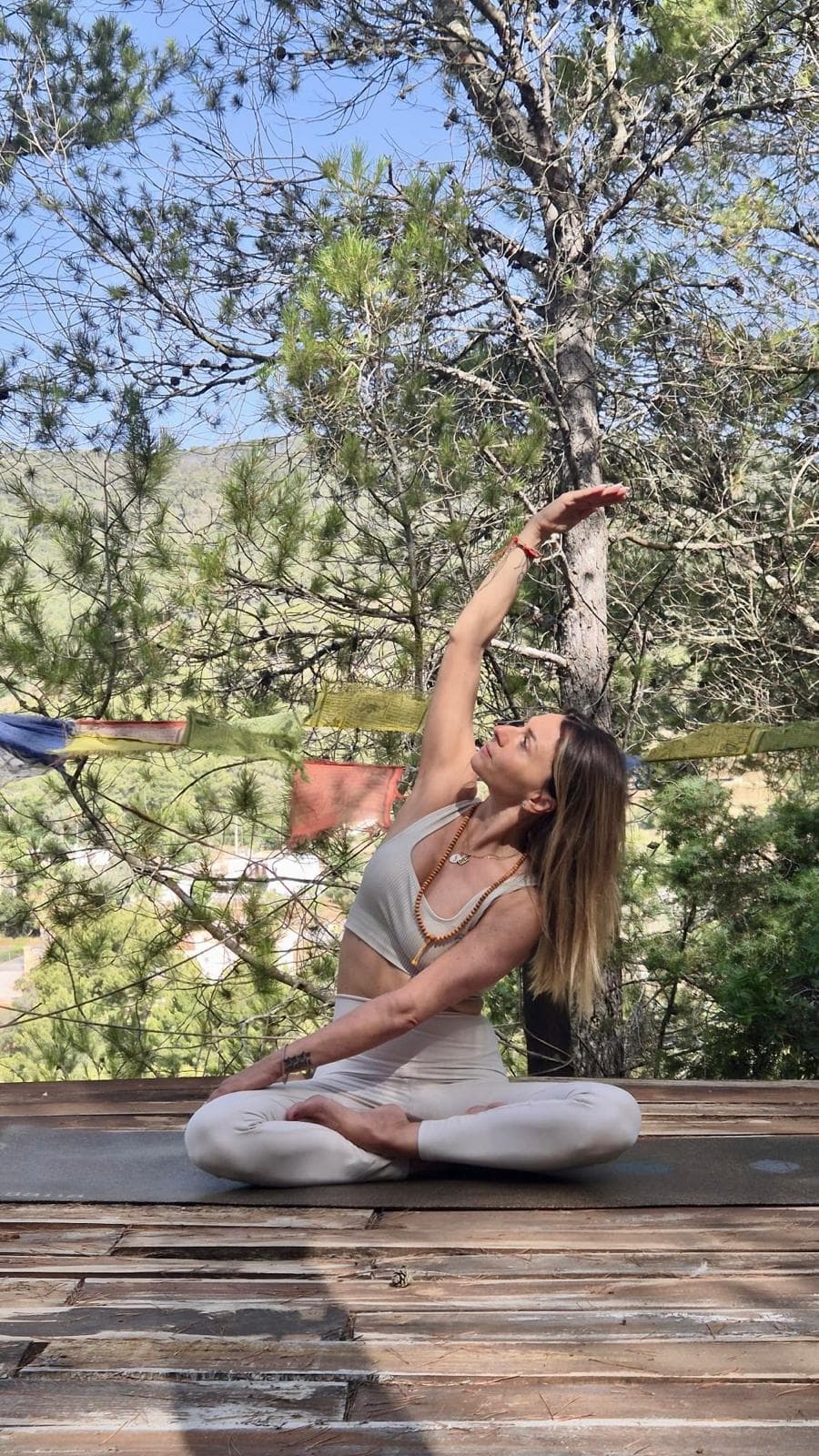
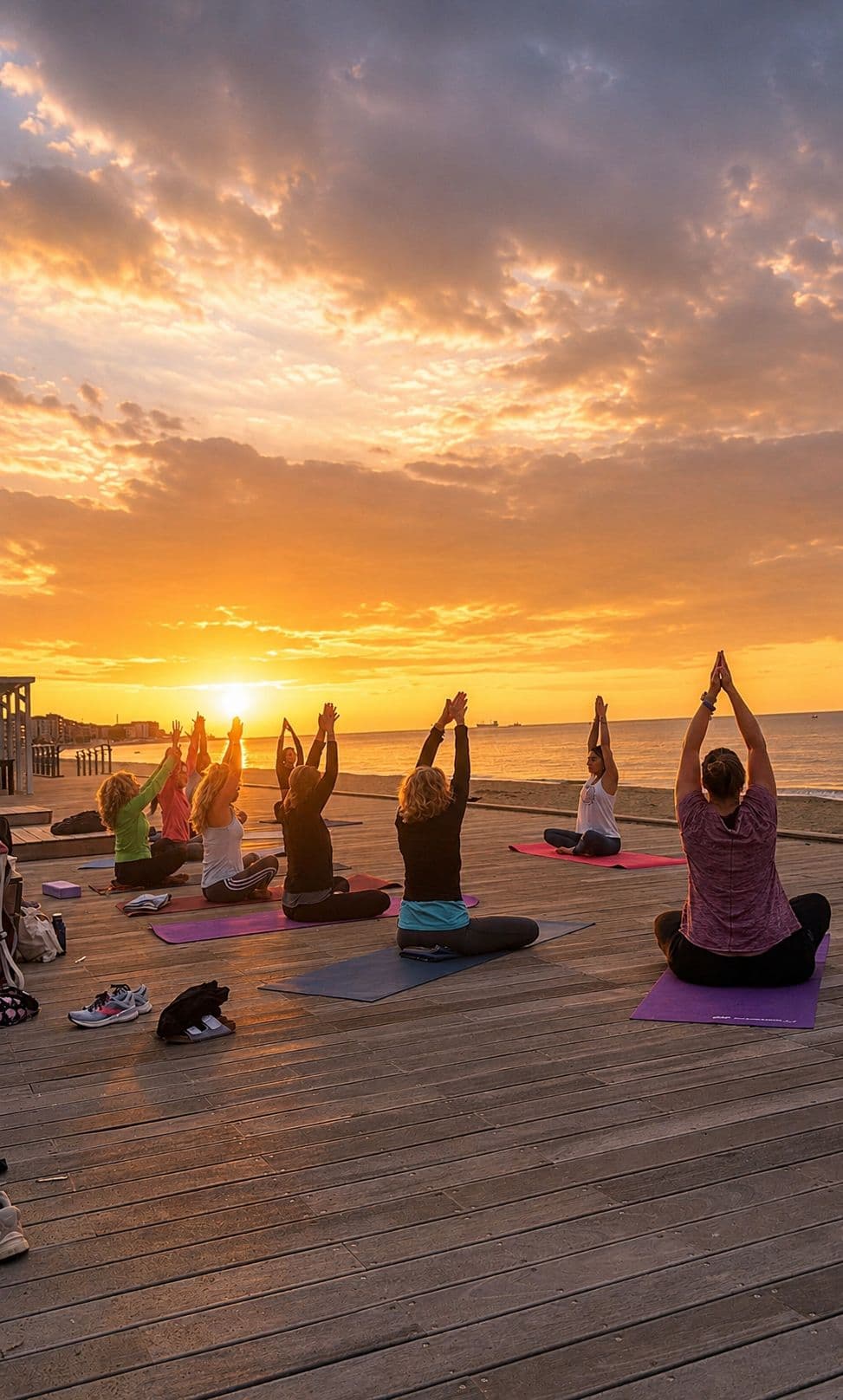
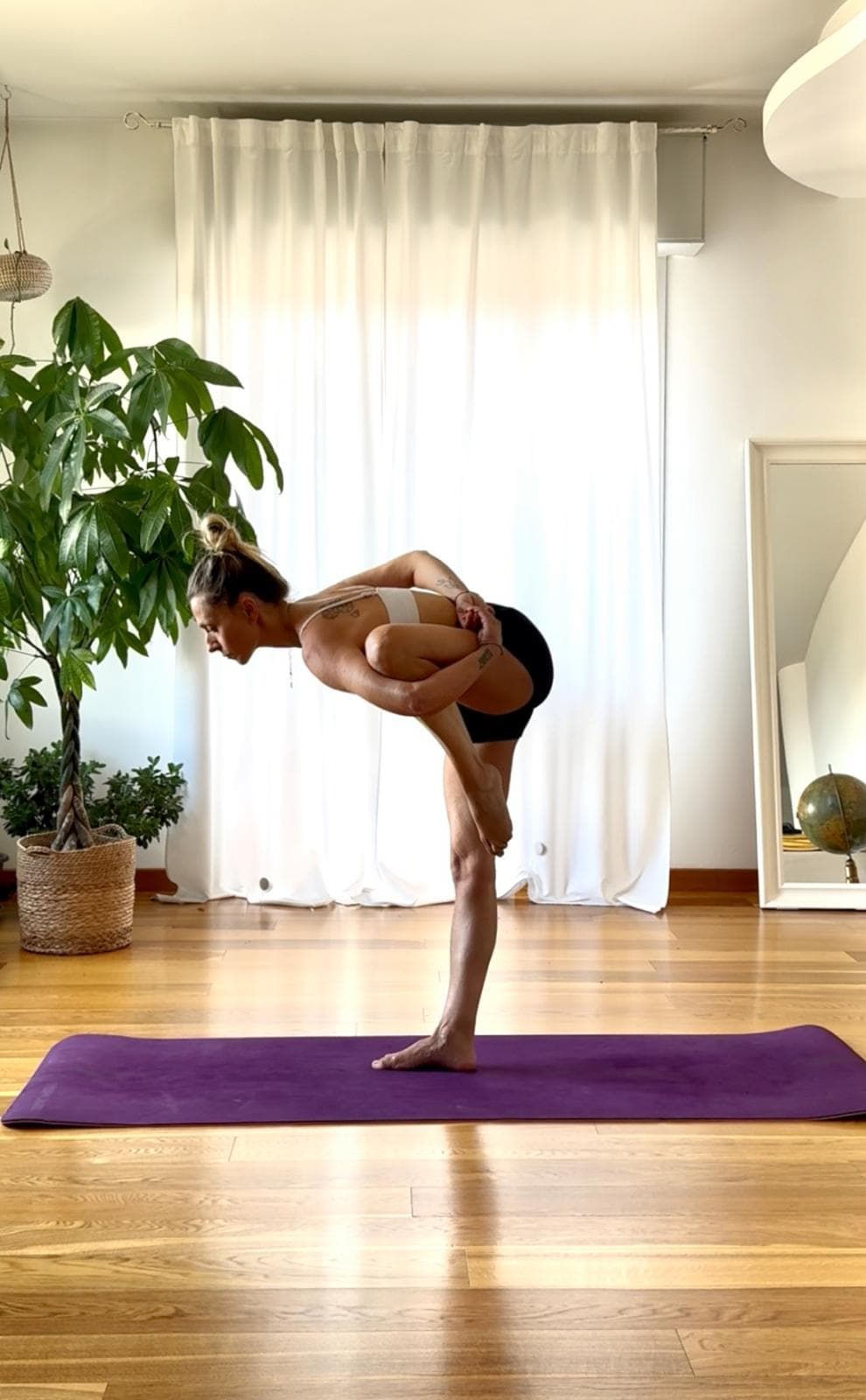
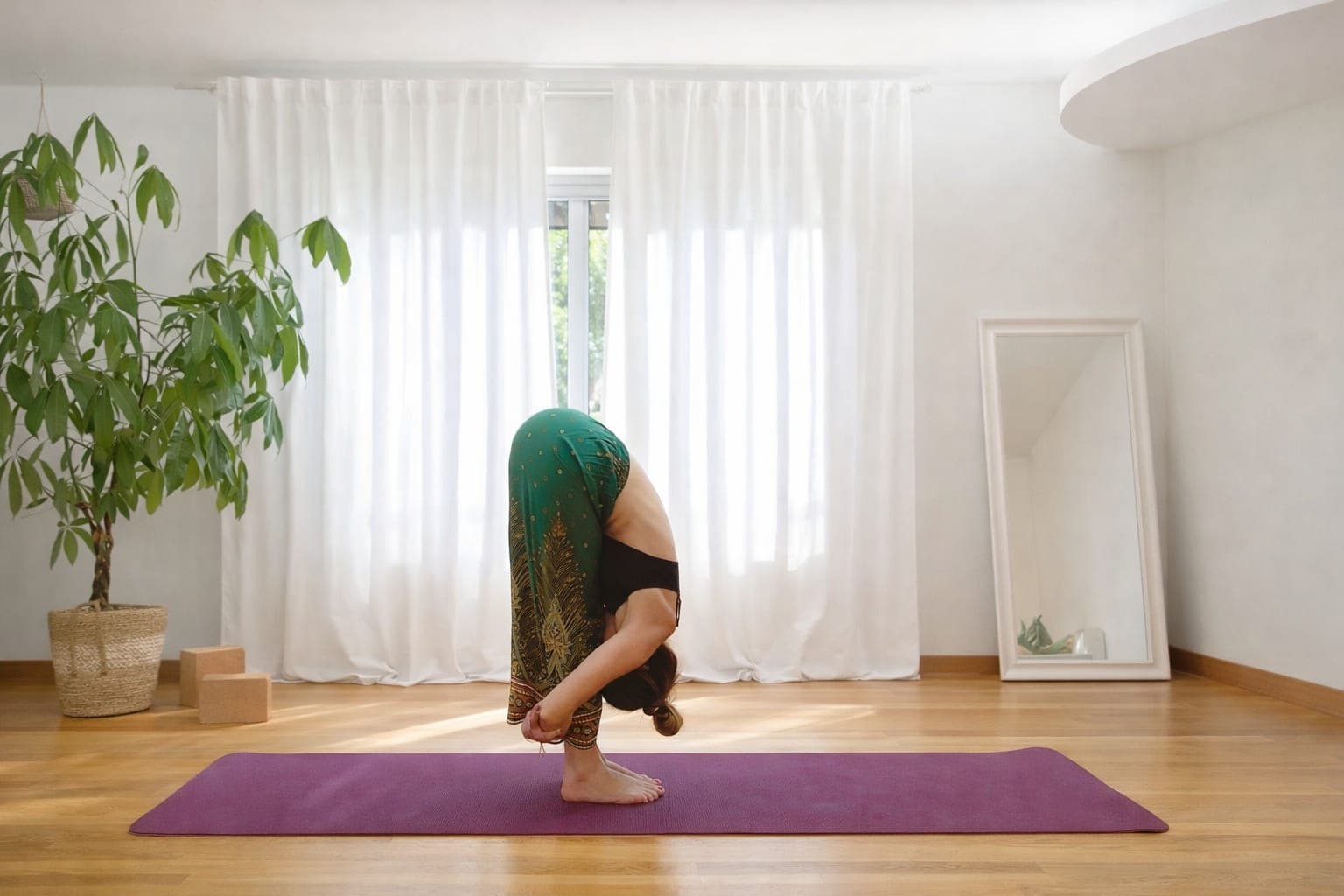
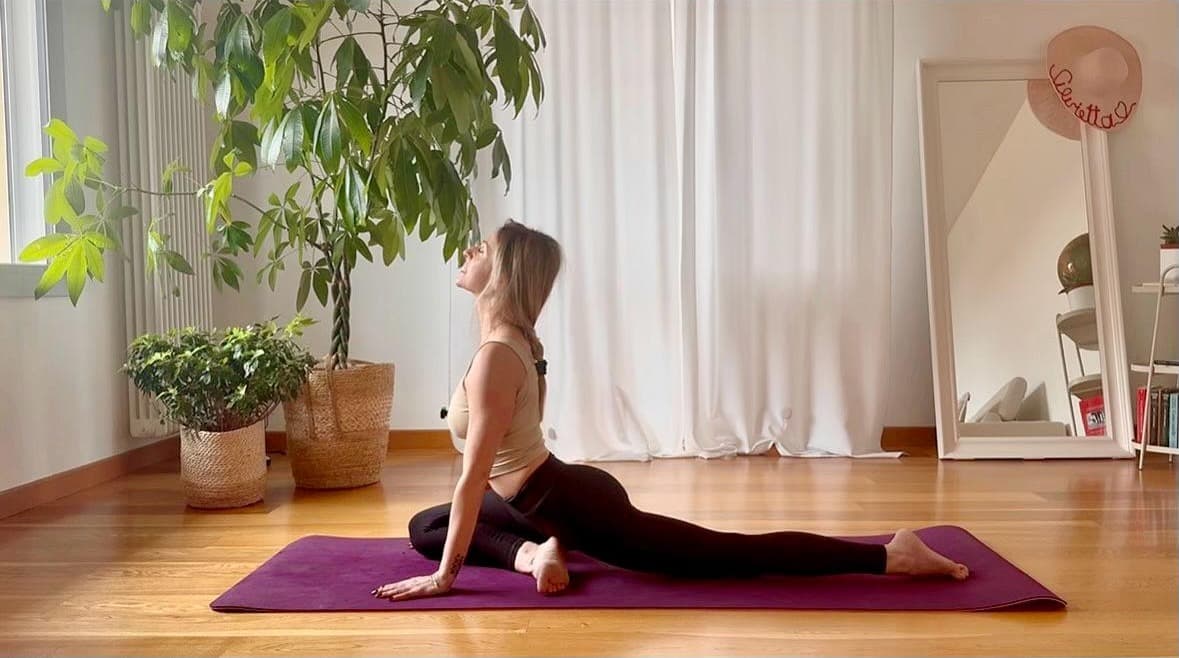
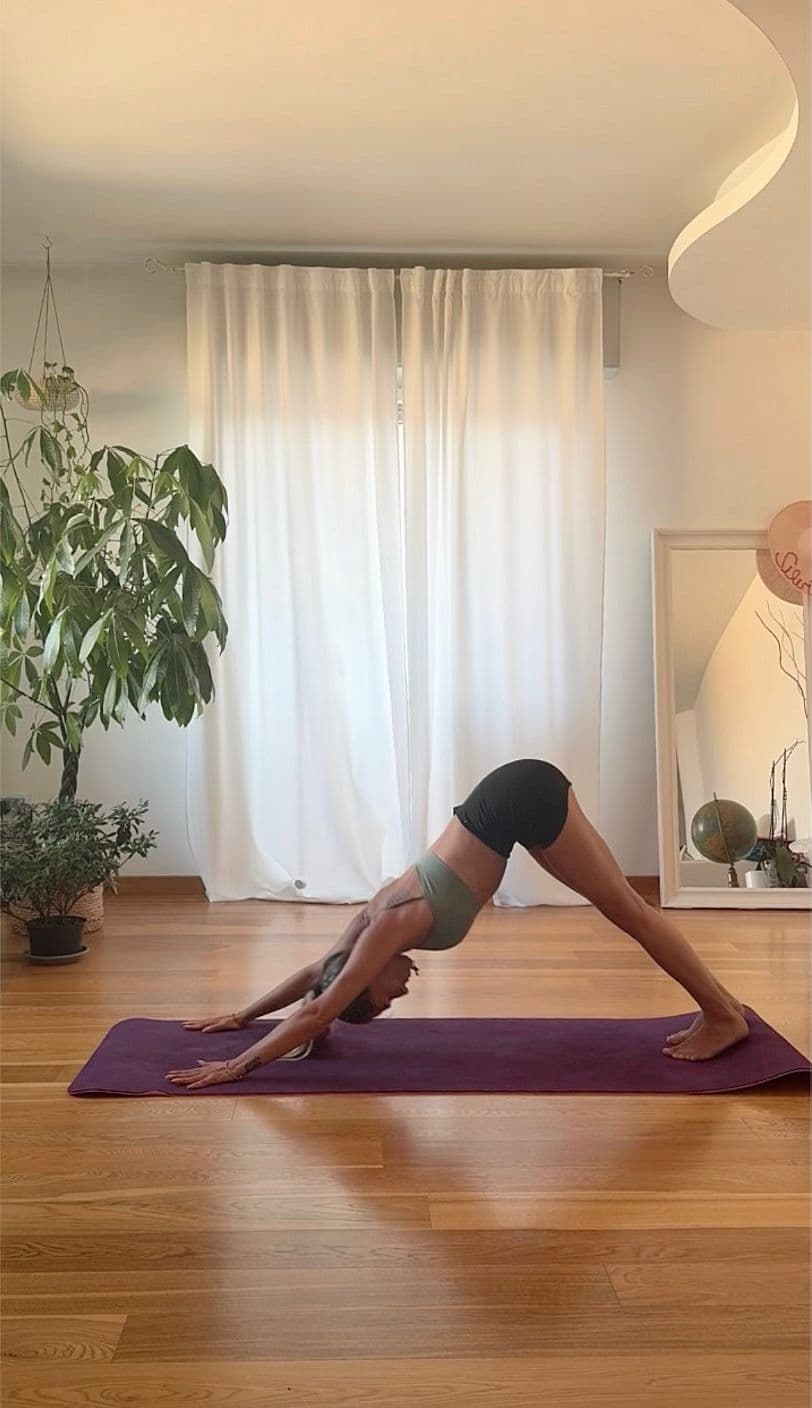
And here we come to what concerns us closely. In yoga the sun is not a detail: it's a presence. Surya is the sun, and the sequence you probably know best — Surya Namaskara, the Sun Salutations — is exactly this: a moving tribute to the star that gives us life. Every morning, unrolling the mat towards the light, we repeat in small what Makar Sankranti celebrates in large: gratitude for the returning sun. And Uttarayana, the half-year of growing light, is considered in the tradition a particularly favourable time for inner practice, for new beginnings, for lighting something within.
A small ritual of light, for you
You don't need to be in India. During the days of Makar Sankranti — or on any winter morning — you can do this:
- ●As soon as you wake, if you can, turn towards the east, where the sun rises, even just for a minute.
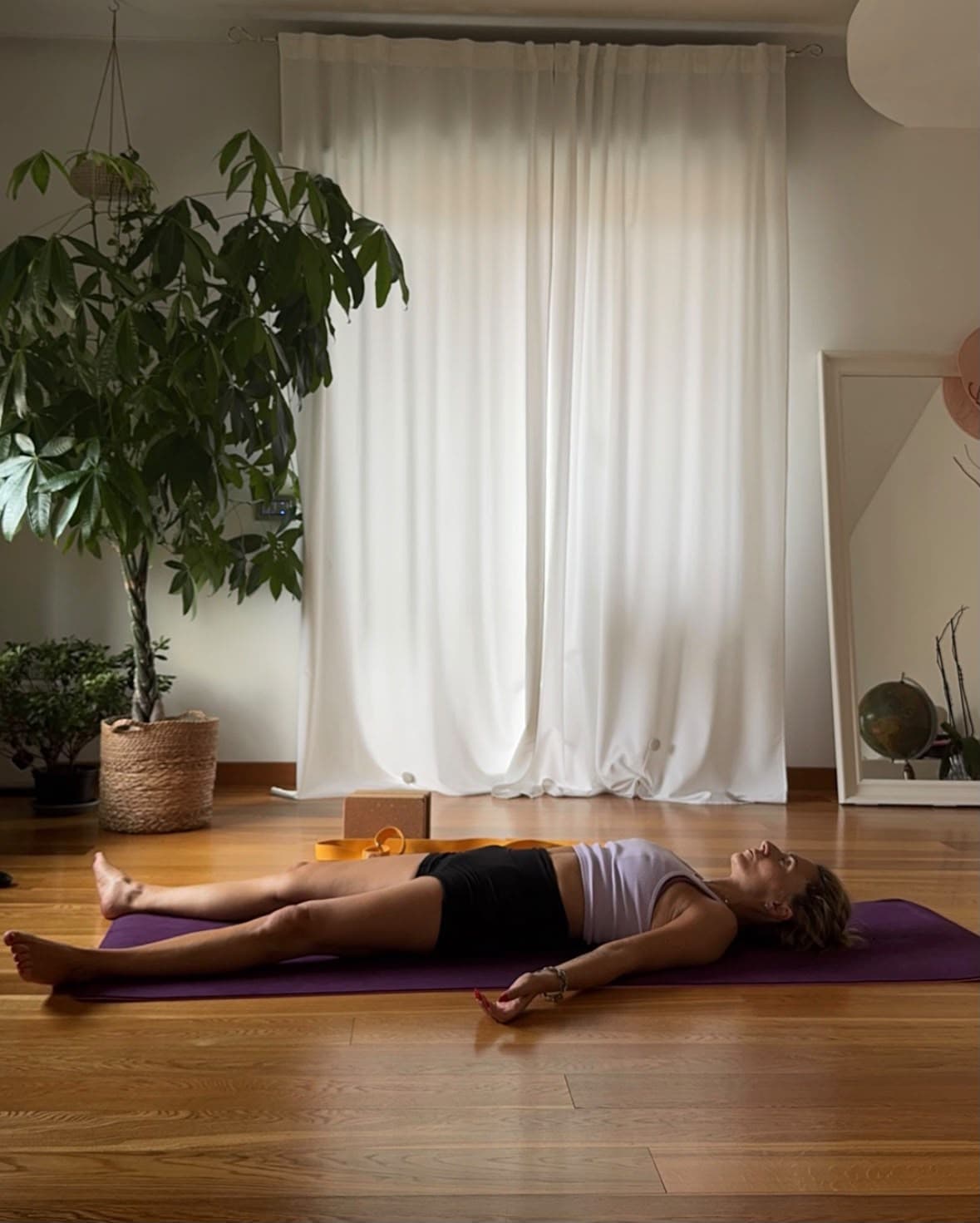
- ●Unroll your mat and do a few Sun Salutations, slowly, following the breath. If you don't know them, a few gentle movements are enough: the intention matters more than the form.
- ●Choose an intention for this new stretch of the year — something you want to grow with the light.
- ●Close with a gesture of gratitude, and if you like, treat yourself to something sweet (sesame and honey are perfect).
And you, what would you like to «rise» in this new stretch of light? Tell me in the comments or on Instagram, @SilviaGhigliazzaYoga.
A curiosity
Makar Sankranti is one of the very few Hindu festivals with an almost fixed date in the Western calendar — precisely because it follows the sun, not the moon. And in Gujarat it gives rise to one of the most beautiful spectacles of the year: the International Kite Festival, with the sky of Ahmedabad literally covered in colour from dawn to dusk. A whole people who, to celebrate the return of the light, raise their eyes to the sky.
↗The other great festival of light: Diwali
If Makar Sankranti celebrates the returning sun, Diwali lights lamps in the dark. Discover the festival of lights and the story of the Ramayana.
Where all this comes from
Sun, festivals, mantras: the roots of yoga run deep into a millennia-old culture. A journey into the origins and history of yoga.
The sun asks for nothing in order to return: it simply returns. Perhaps that's what it teaches, every morning — that beginning again isn't a reward, it's a right. — Silvia
Frequently asked questions
From Sanskrit Makara (Capricorn) and Sankranti (transit): it's the day the sun enters the sign of Capricorn. It marks the start of Uttarayana, the sun's journey north, when the days begin to lengthen again. It's also a great harvest festival.
Around 14 January 2027 (the 15th in some regions). Unlike almost all Indian festivals, which follow the moon and change date each year, Makar Sankranti follows the sun: that's why it falls on almost the same day every year.
The sun. In yoga the sun is honoured with Surya Namaskara, the Sun Salutations: a sequence that is a moving tribute to the star that gives us life. Makar Sankranti, the festival of the returning sun, is the ideal moment to rediscover this practice and the theme of new beginnings.
With ritual baths in the sacred rivers at dawn, sweets of sesame and jaggery (til-gud), and countless kites in Gujarat. It has different names across regions: Pongal in the south, Lohri in Punjab, Uttarayan in Gujarat, Magh Bihu in Assam.
It's the sun's «journey to the north», the half-year when the days lengthen and the light grows. In the tradition it's considered an auspicious period, favourable to new beginnings and to inner practice.
Bring this curiosity to the mat
Yoga is also this: history, meaning, roots. If you'd like to live it in practice, I'm here.